
By Darby Kendall
Three decades ago, brothers Tyson and Austin Cazier prepared to undergo surgeries, a last leap of faith to try and cure Tyson of the acute lymphoblastic leukemia (ALL) that had overtaken his body.
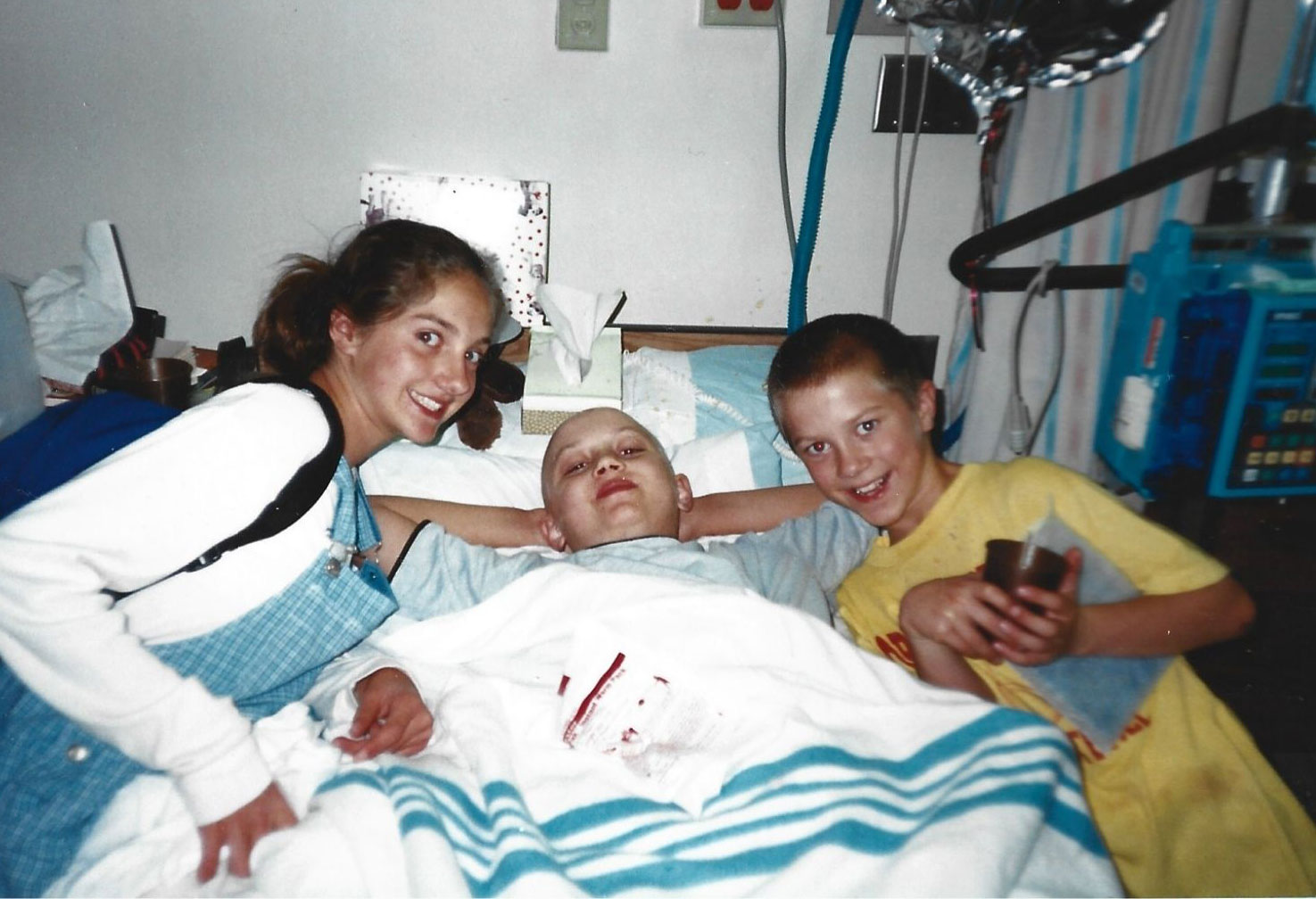
This past August marked the historic milestone of OHSU Doernbecher Children’s Hospital’s first pediatric bone marrow transplant and the procedure that saved Tyson’s life.
Tyson doesn’t remember much about the bone marrow transplant he received at 11 years old, but he does recall being excited that his little brother Austin was a donor match. After initially fighting ALL at 5 years old and going into remission at 8, when Tyson relapsed a couple of years later and the chemotherapy didn’t work, his family was ready to do anything possible to help him get better.
“When we found out that Austin was such a close match, I was told that the only way he could have been a closer match was by being an identical twin. That was amazing news,” said their mother, Cathy Ross. “There was no ‘Oh, should we do this? We’re the first, the guinea pigs.’ The real truth is that Tyson would have died if we didn’t take the risk.”
Prior to the transplant, Cathy brought some instinctual concerns to Tyson’s care team — she felt that something about the treatment plan was not quite right. When she shared her worries with the oncology team, they listened. Looking back, Cathy said she’s thankful not only for the outcome, but also for the willingness of Tyson’s care team to listen, collaborate and value her perspective.
“I knew what drugs Tyson had reacted negatively to before, and I asked, ‘Are any of these drugs a part of the protocol for a bone marrow transplant?’ And they said, ‘Yes, very many of them,’” Cathy remembered. “So, the gentleman that ran the medication part of the transplant said, ‘Let me go back to the drawing board and see if I can come up with an alternate protocol that stays away from these types of drugs.’ And he did. We had the next meeting, we went over it, and I felt complete peace that they’d heard me out. Redoing the protocol saved Tyson’s life.”
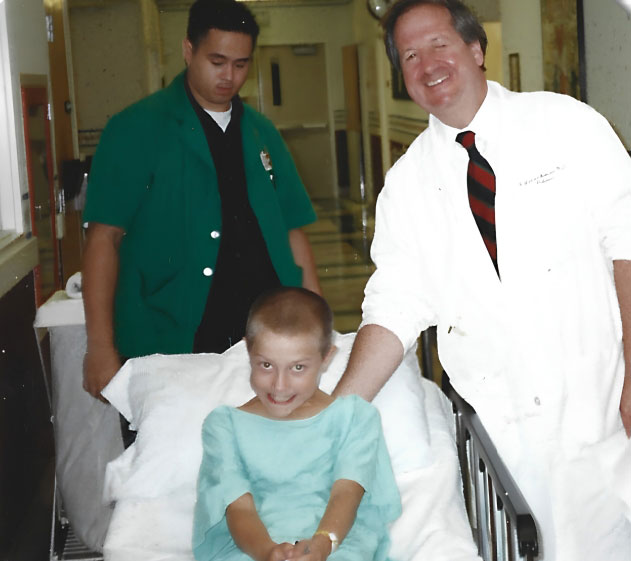
The transplant was managed by Leonard Johnson, M.D., pediatric hematologist/oncologist and physician-in-chief of Doernbecher at the time. The family switched Tyson’s ALL care to Doernbecher specifically to try the novel transplant and immediately befriended the staff.
“Dr. Johnson was so cute with my boys. It took away their fear. He really connected with them and had a good sense of humor,” Cathy said. “I felt like everybody at Doernbecher was so kind and so friendly, and just so reassuring and very approachable. That whole experience was, for lack of a better word, gentle, even though it’s not a gentle process.”
“I remember Dr. Johnson really well,” Austin reiterated. “He was a total light in our lives, always very happy and positive. I can still picture Tyson’s room and the facilities, the ICU room, and we had a Christmas party there one year. I always remember the staff being really happy and kind. To me as a kid, it never felt gloomy or sad.”
Tyson also felt respected while at Doernbecher, thanks to his providers taking time to explain the bone marrow transplant process to him before it all began.
“For a lot of my cancer treatment, I was out of it, or I was in the ICU; different intense things kept happening, and I was just going with the flow of it. But I remember the bone marrow being a little bit different in that a lot more things were explained to me,” Tyson said. “Before I went in for full-body radiation, instead of talking just to my mom, the doctors were talking directly to me, and they spelled out the different consequences, the purpose of radiation and how it could affect the rest of my life. Then they asked me, ‘Tyson, are you OK with this? Is this something you want to move forward with?’ I appreciated that it didn’t just all go through my parents.”
Despite the hardships, Tyson maintained his sense of humor throughout the process, in part thanks to his mother’s comedic distractions. Along with Sega video games provided by Doernbecher and Whopper burgers his parents brought in, jokes kept Tyson’s spirits up.
“One of the strategies I had when he first had ALL was, I knew he was going to get a lot of painful shots, and back then we didn’t have phones, so I would just bring Highlights Magazine, Reader’s Digest. I would collect all these jokes, and I would just read him jokes,” Cathy said. “He was known by the nurses for his hilarity and also a few pranks, which I felt bad about, but they always laughed.”
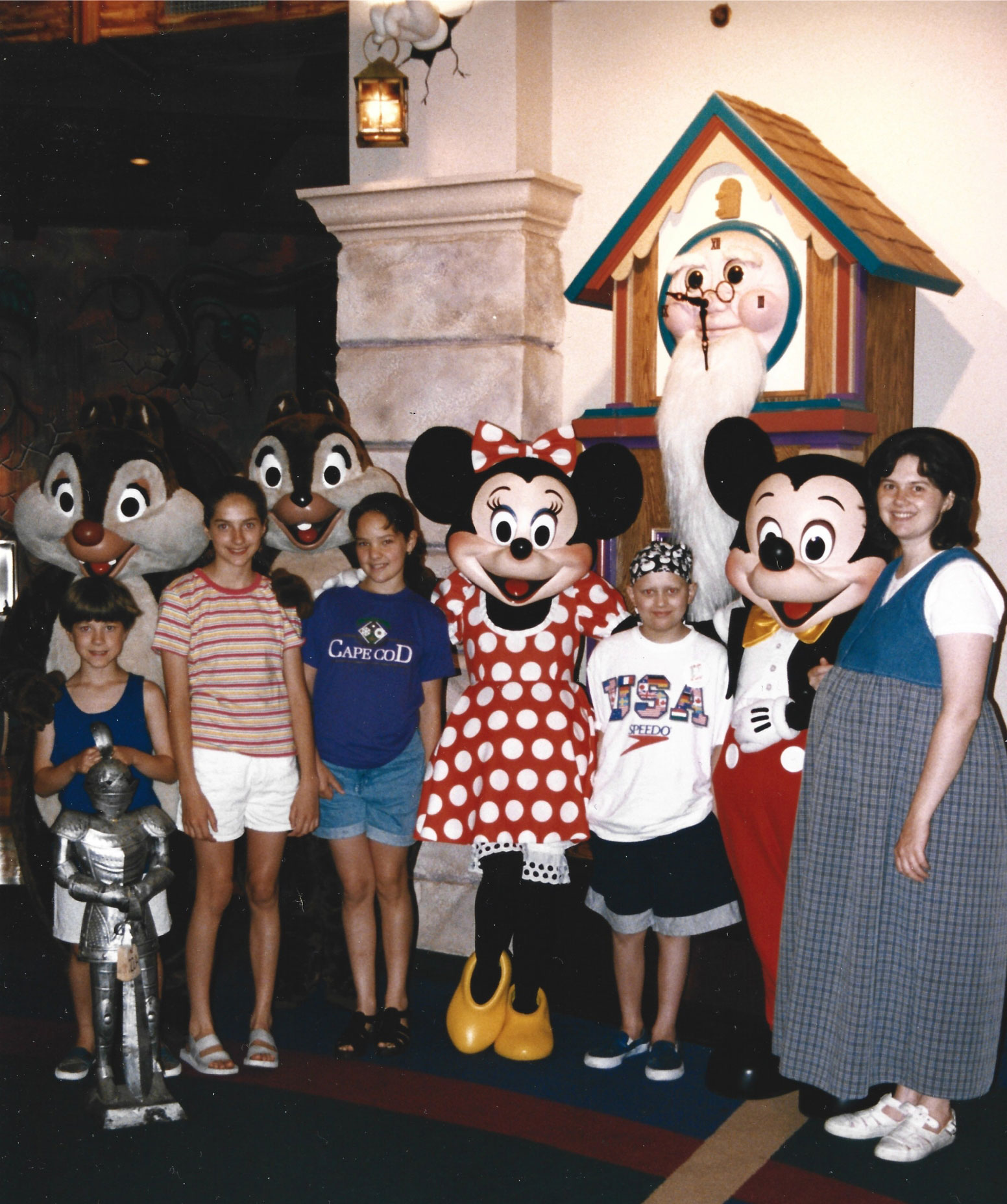
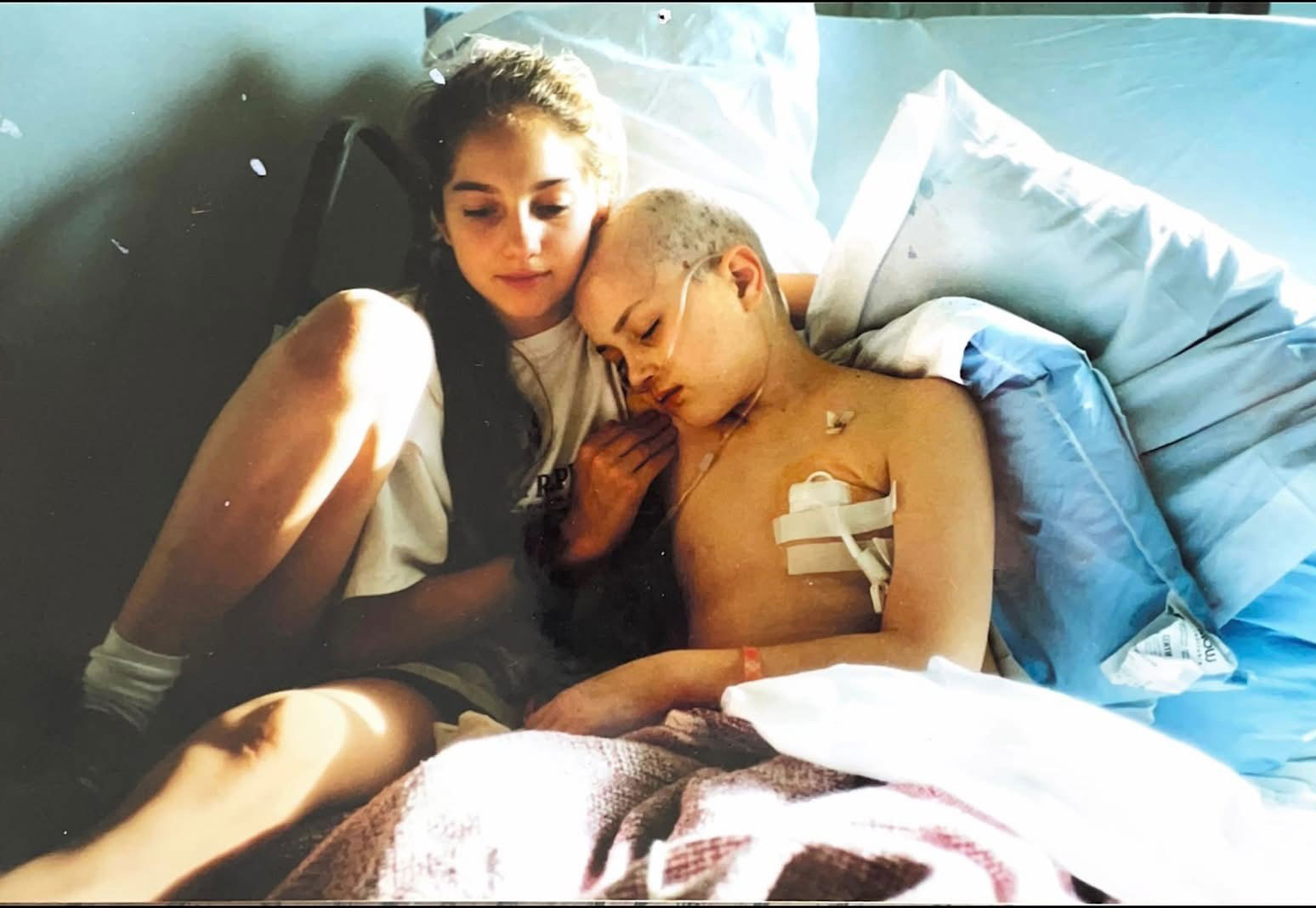
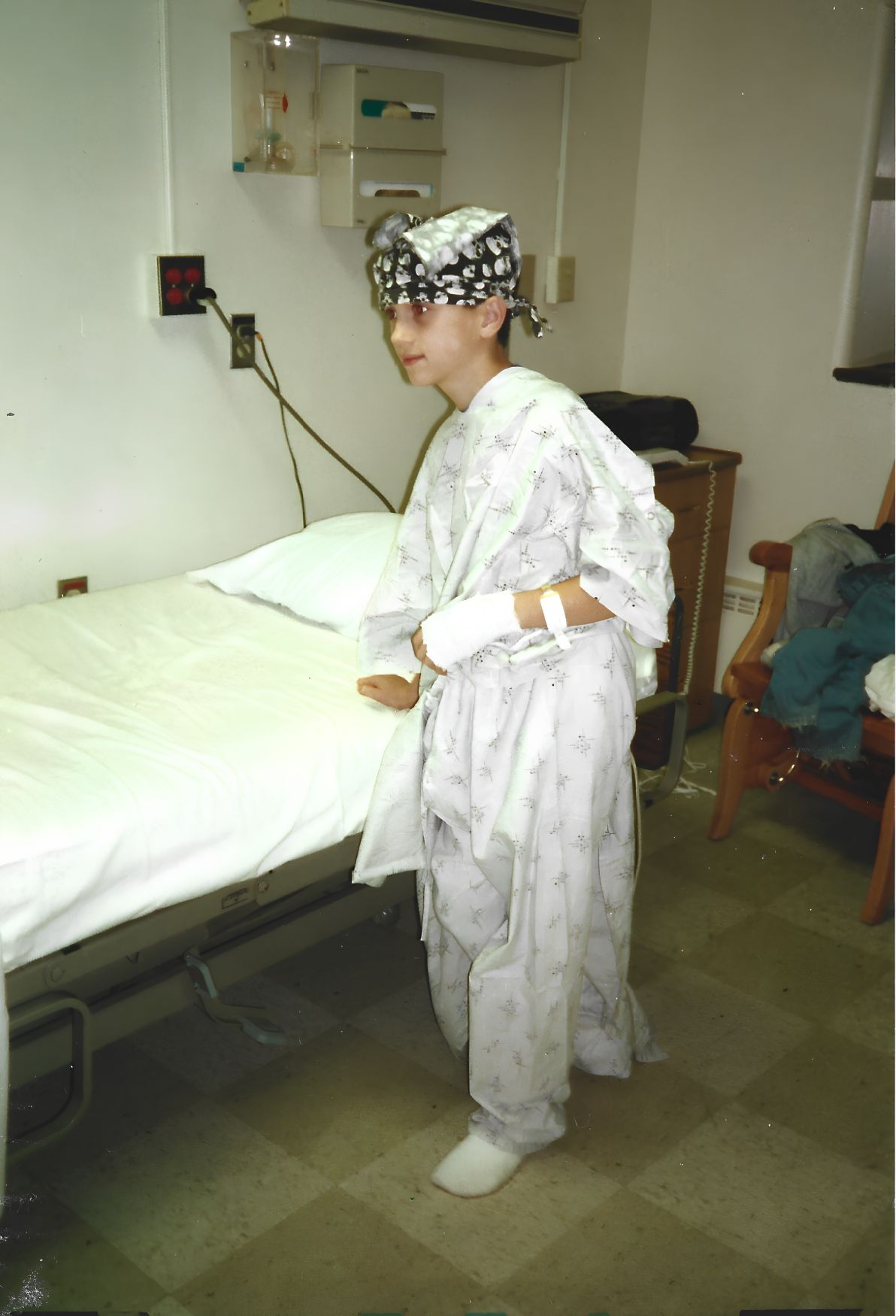
Three weeks after the transplant, Tyson was well enough to go home and continue receiving treatment there. A few months later, he recovered enough to go back to school and finish fifth grade. The school made special arrangements for a photographer to come back and take Tyson’s photo because he’d missed picture day earlier in the year. But Tyson’s humor never left him during his return to normalcy, and another prank was already in the works.
“I had these nasty, realistic-looking werewolf teeth from Halloween. I thought, ‘I’m gonna put these in my mouth and smile for the camera.’ I didn’t know this, but they told the photographer beforehand, ‘This boy is still recovering from a bone marrow transplant. He’s had lots of medications, so he may or may not be very responsive or even smile. If he does smile, his treatments can affect his teeth, so just do your best with whatever he gives you.’ How perfect is that?” Tyson laughed. “I’m already planning to smile at him with these gnarly werewolf teeth, and the school administration has unknowingly prepped the photographer to expect the worst from my smile. So, they wheel me up there and he says, ‘All right, buddy, it’s time to smile.’ I lift my head up, and I smile with these big old werewolf teeth. He just got this shocked look on his face and didn’t know how to react. I took them out and was like, ‘just kidding,’ and then we got a real picture.”
Today, Tyson is a composer in Texas with children of his own, living near family and maintaining his sharp wit. His father, Scott Cazier, and Tyson’s sisters are also grateful for the care Tyson received, even though the times weren’t always easy.
“From the father of pediatric bone marrow transplant patient number one, thank you Doernbecher Children’s Hospital and OHSU for the professionalism, expertise and love that was demonstrated by the medical team 30 years ago during a time that was so painful, uncertain and dire,” said Scott. “Tyson is alive and well and he is a true blessing to his family and the many people whose lives he has touched, and continues to touch, on a daily basis.”
Even though the family no longer resides in Oregon, they wanted to give back to Doernbecher in honor of the anniversary of Tyson’s transplant. Using peer-to-peer fundraising, Cathy is encouraging their friends and family to support pediatric bone marrow transplant patients so other children can also benefit from Doernbecher’s care.
“My heart yearned to give back because we’ve been given so much through our experience with Doernbecher. I just couldn’t get past it; it was all I honestly could think about. How in the world can you give back when people worked so hard to save your child’s life?” Cathy said.
“We were in partnership with his care team, and that’s why it was such an amazing experience for me at Doernbecher. For them to respond in such a caring manner, I had full confidence in that partnership. I really believed I would be heard, that my child would have the best care, that something would be done. I don’t know how to put my gratitude into words.”
Support pediatric bone marrow transplants

Patient Care

Giving
Giving