



Two predoctoral students in the Neuroscience Graduate Program at OHSU were recently awarded the 2026 Lacroute Fellowship. This fellowship is made possible through the philanthropic support of Ronni Lacroute.
The Lacroute Fellows Program supports exceptional graduate students conducting innovative research in the Vollum Institute/OHSU Neuroscience Graduate Program. The one-year fellowships cover $24,000 of the students’ stipend and provide a $1,000 allowance for related academic expenses, such as attending scientific conferences or courses.
Congratulations to the 2026 fellows:
- Raja Estes, Mishra Lab and Monk Lab
- Gisselle Jimenez, Gray Lab
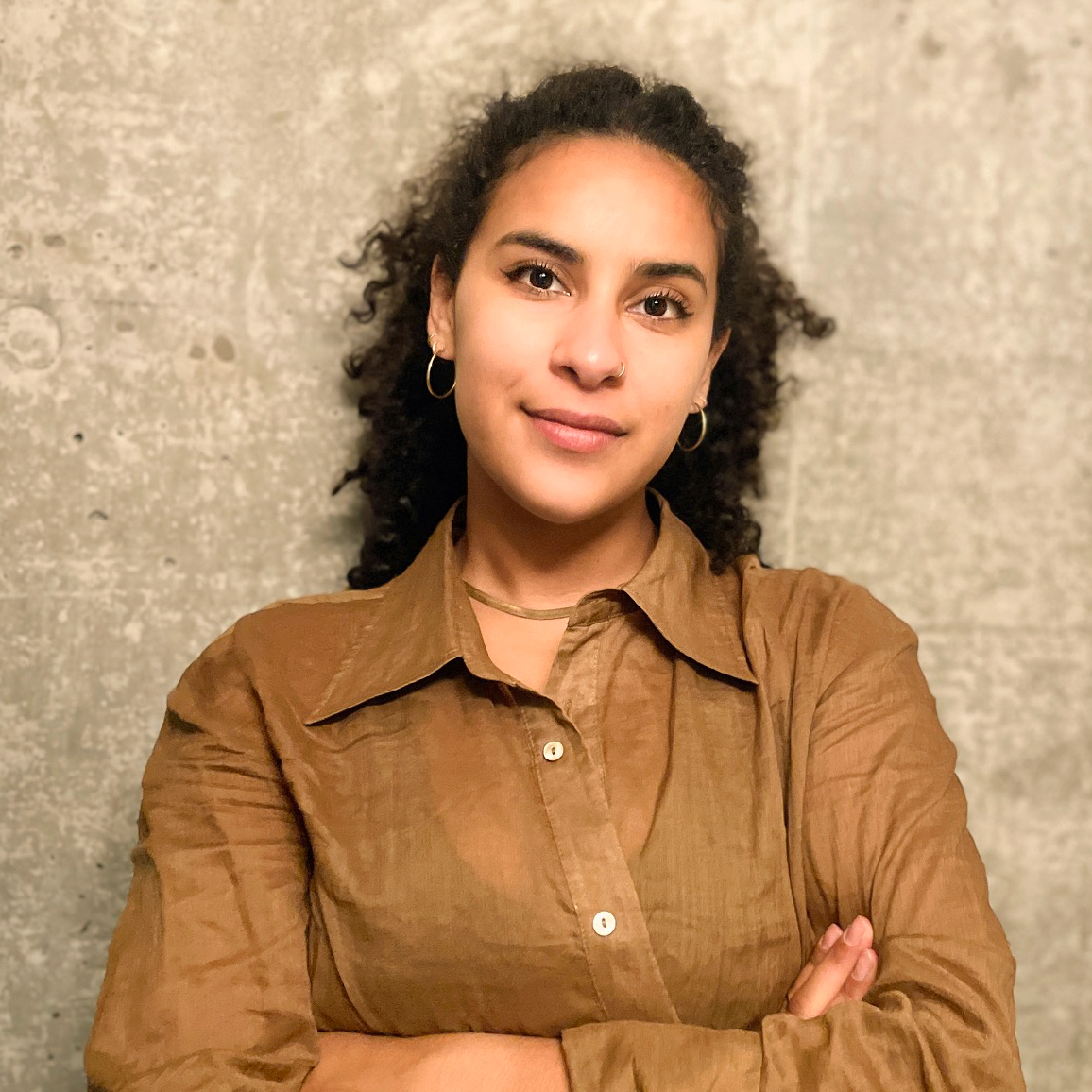
Raja Estes, a fifth-year neuroscience Ph.D. candidate, is mentored in the labs of Anusha Mishra, Ph.D., associate professor of neurology in the OHSU School of Medicine, and Kelly Monk, Ph.D., co-director and senior scientist in the Vollum Institute. After earning her B.S. in biology from the University of Washington, Estes came to OHSU and entered into a co-mentorship with Mishra and Monk.
“Growing up in a small town in southern Washington, many nights I would step outside and wonder at the Milky Way streaking above me, sparking my curiosity about the natural phenomenons that occur in our universe. My curiosity for the natural world drove me to dedicate my educational path to biology, which also offered as many mysteries as there are stars in the night sky,” Estes said. “In preparation for graduate school, I worked for two years as a research assistant at the UW Medical School. This drove me to OHSU, where I am now under the mentorship of two prominent glial biologists.”
Estes currently studies glial cells, brain cells that are vital for neurons to function. Her work focuses on how a particular type of glial cell, astrocytes, forms in animals. Under the guidance of Mishra and Monk, Estes is researching the development of a cellular compartment called an endfoot, which allows astrocytes to communicate with blood vessels and change blood flow in the brain.
“These cells are created before mammals leave the womb, so very little is known about how astrocytes form endfeet. With the help of the zebrafish, a small transparent fish which grows externally from the single cell stage all the way to a full adult, I have watched astrocytes form contacts with blood vessels and imaged their first interactions,” Estes said. “I plan to compare the growth timeline of endfeet in zebrafish, mice and rats, all key models for neuroscience and cardiovascular studies. It is an honor to be chosen as a Lacroute Fellow, and I would not be able to complete this project without the generous support.”

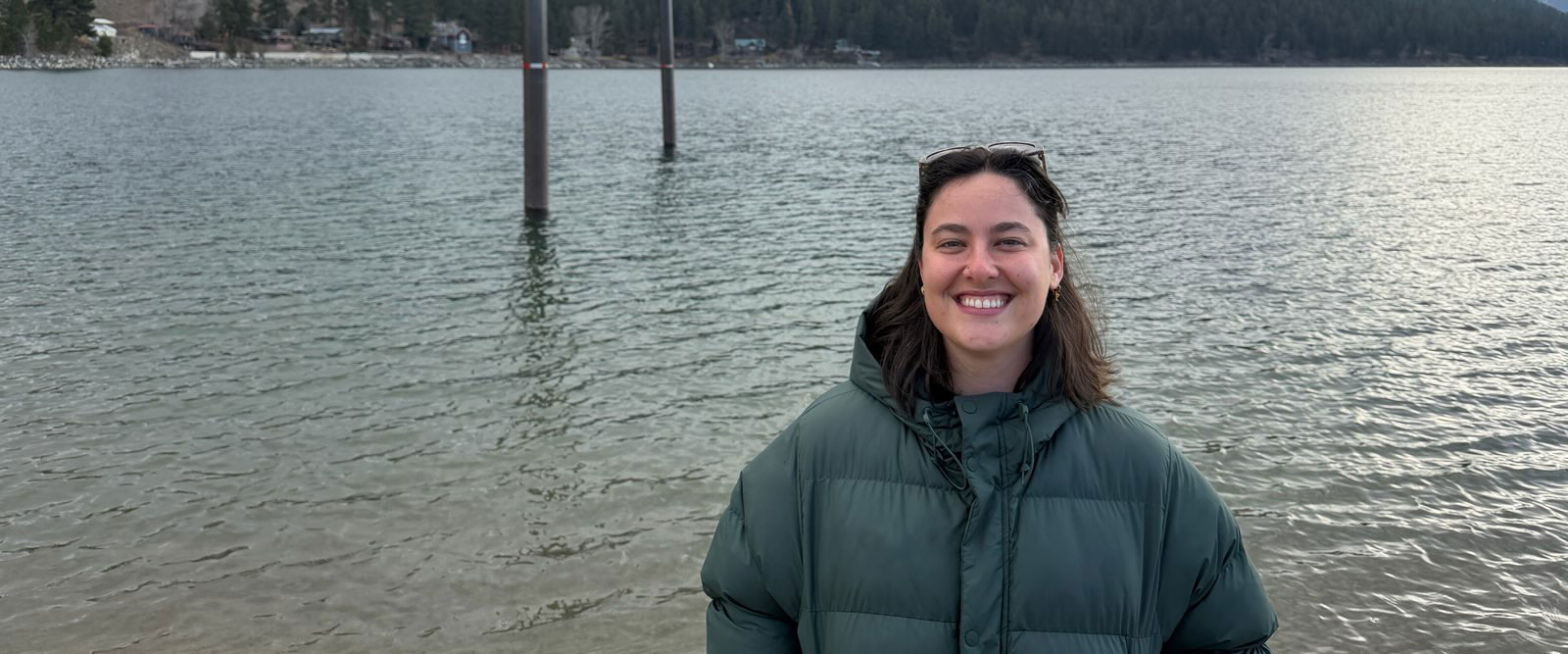
Gisselle Jimenez, a fifth-year neuroscience Ph.D. candidate, is mentored in the lab of Nora Gray, Ph.D., associate professor of neurology in the OHSU School of Medicine. Jimenez came to OHSU after earning her B.S. in neurobiology from the University of California, Irvine.
“When I began my undergraduate studies in biology at the University of California, Irvine, I knew I wanted to pursue science and contribute to improving healthcare, but I initially believed medicine was the only path to making a meaningful impact,” Jimenez said. “That perspective changed when I joined UCI’s Minority Science Program, which supports students from historically underrepresented backgrounds pursuing careers in research. Through the program, I discovered my passion for scientific research and became fascinated by neuroscience through my course work. I realized that translational research offered a meaningful way to improve human health by advancing new discoveries, and this inspired me to pursue graduate training in the Neuroscience Graduate Program at OHSU.”
At the Gray Lab, Jimenez’s research focuses on understanding how the brain’s immune cells, microglia, respond to Alzheimer’s disease. She performs behavioral experiments on mouse models to assess cognitive function, quantify Alzheimer’s disease pathology, assess drug concentrations in the brain, and monitor potential toxicity.
“My work seeks to understand how targeting microglial biology in Alzheimer’s disease can improve cognitive function and slow disease progression, with the broader goal of advancing new therapeutic strategies,” Jimenez said. “What motivates me most is the opportunity to translate fundamental discoveries into treatments that improve patients’ lives. Knowing that my research could contribute, even in a small way, to developing better therapies is what drives me every day. My long-term goal is to pursue a career in drug development, where I hope to help discover and advance novel therapeutics for progressive neurological disorders.”

Community | Health Equity | Students & Alumni
Students & Alumni

Patient Care | Students & Alumni