


By Josh Friesen
Photos courtesy of OHSU Historical Collections & Archive
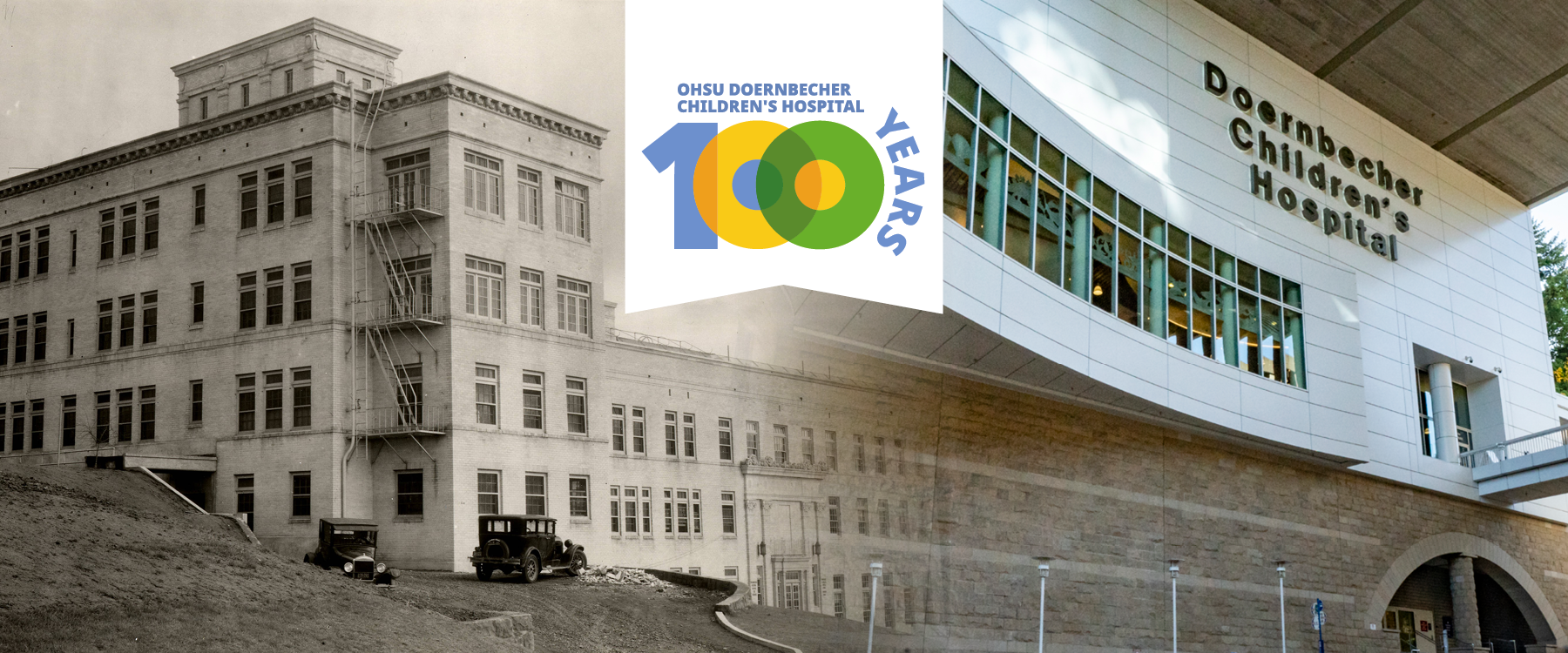
As we celebrate OHSU Doernbecher Children’s Hospital’s 100th birthday, we reflect on some of the milestones that make the children’s hospital special.
1920s
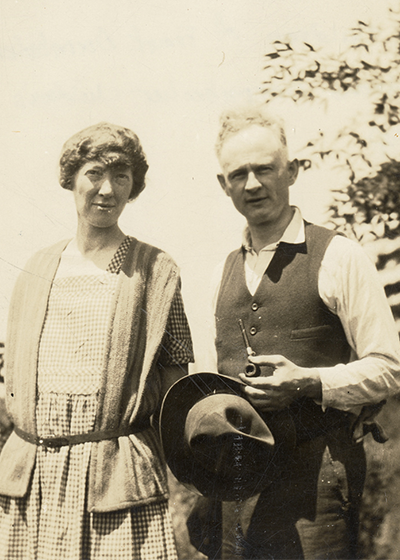
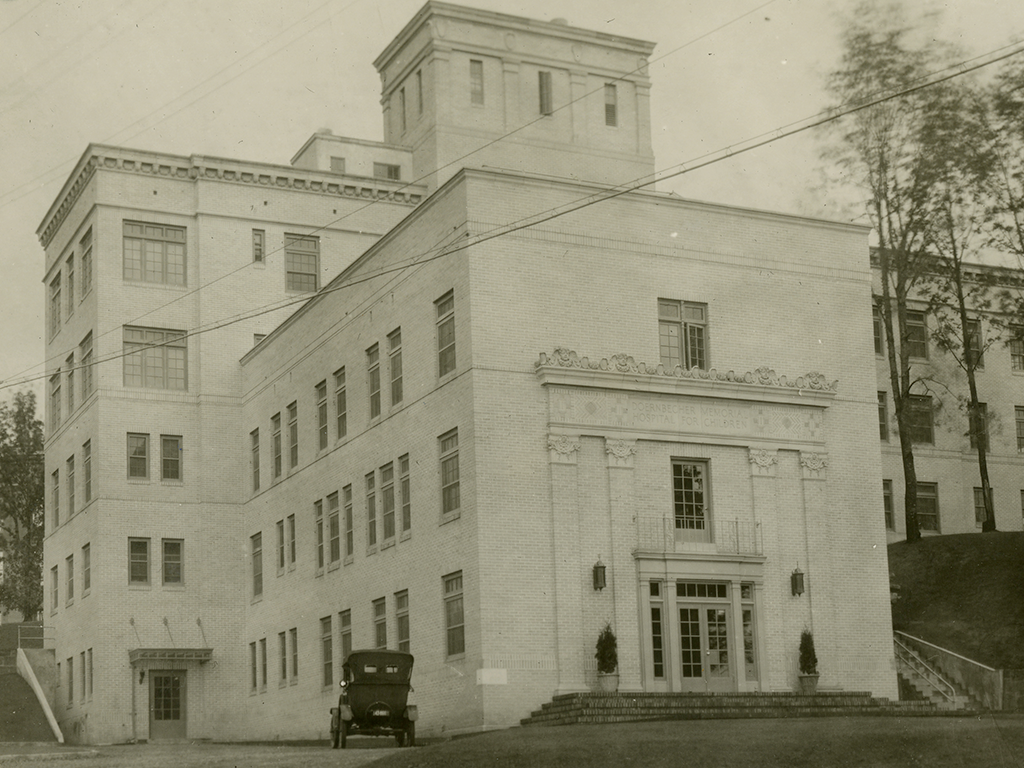
It all began with the Doernbechers
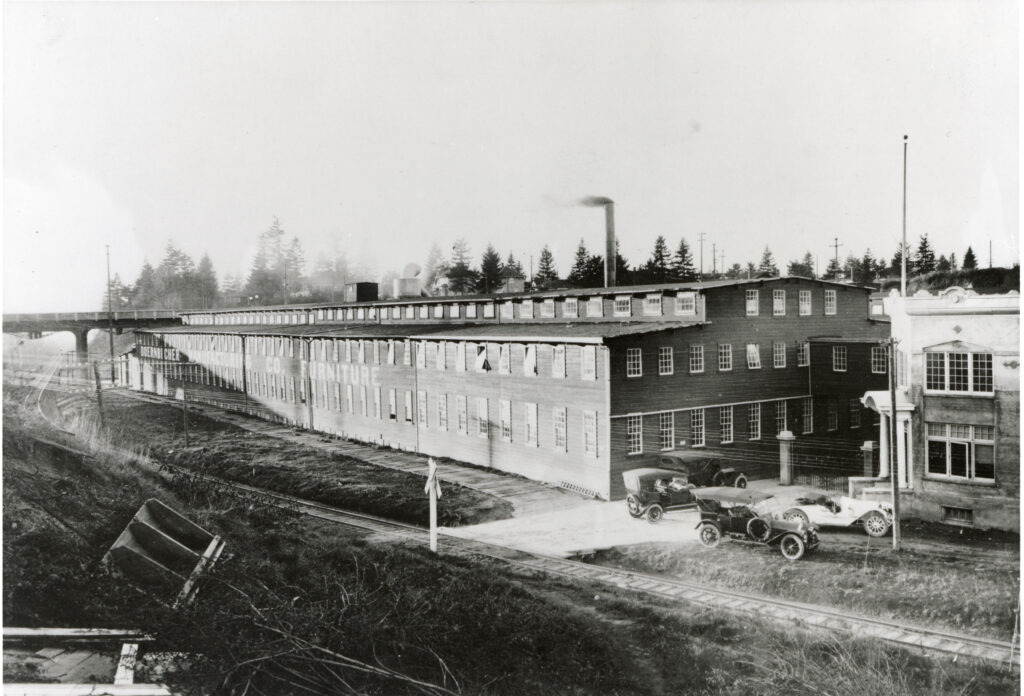
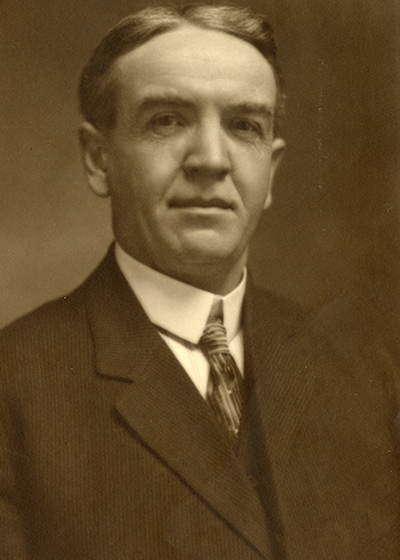
Furniture maker Frank Doernbecher arrived in Portland from Wisconsin in 1900. When Doernbecher passed away in 1921, he willed $200,000 from his estate to his children Ada Doernbecher and Edward M. Doernbecher, directing them to use the money to benefit the state. They used the funds to establish Oregon’s first full-service children’s hospital.
On Oct. 14, 1923, plans for the new children’s hospital were announced. It’s mission: to advance pediatric healthcare and prevention of childhood diseases through research and training of future healthcare providers. The Doernbecher family specified that patients would receive care in the hospital regardless of their ability to pay.
When additional funding was needed to complete the construction, a group of women formed the Doernbecher Guild to garner community support. The guild raised $75,000 (equivalent to approximately $1.4 million in 2026) in the summer of 1924. On August 2, 1926, Doernbecher Memorial Hospital for Children opened its doors with 75 beds and five volunteer physicians. The first pediatrician in the Pacific Northwest, Joseph B. Bilderback, M.D, served as Doernbecher’s first chief of staff on a volunteer basis.
1930s
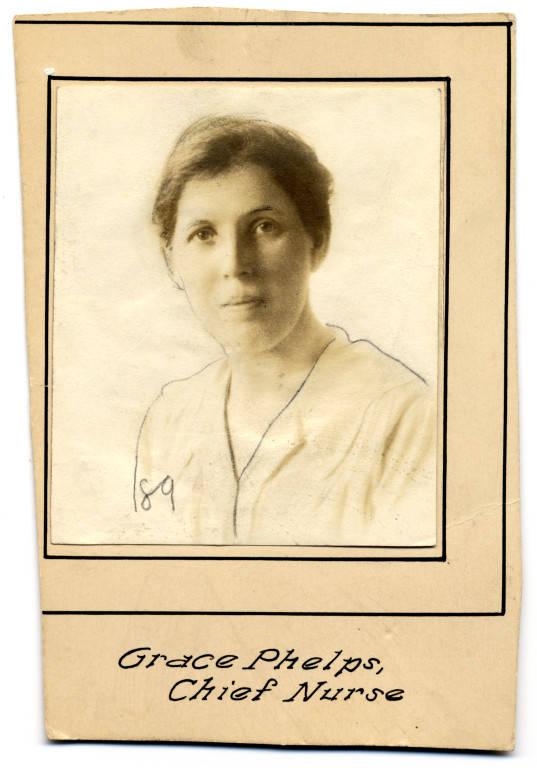
Grace Phelps, RN: an outspoken advocate for children
A Red Cross nurse who spent two years treating soldiers behind the front lines during World War I, Grace Phelps, RN, was Doernbecher’s first superintendent and played an instrumental role in the hospital’s opening. During her 17 years as superintendent, she made sure Doernbecher tended to the emotional and physical needs of its patients. Everything from paying bills to overseeing nurses and ordering diapers was her responsibility. Phelps was one of Doernbecher’s most outspoken advocates. She raised public awareness of its achievements while emphasizing the need for additional philanthropic support.
1940s
Oregon’s first “blue baby” operation
In 1947, William Conklin, M.D., a thoracic surgeon and professor at the University of Oregon Medical School, became the first doctor in the Western United States to perform the rare and difficult “blue baby” operation at Doernbecher to treat an infant born with tetralogy of Fallot, a congenital heart defect. The technique, which previously had only been performed on the East Coast, joined two blood vessels to improve circulation to the lungs.
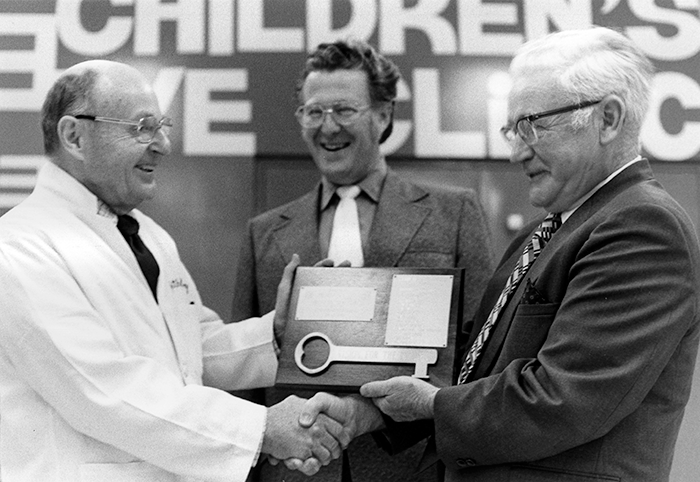
The start of a lasting partnership
The Oregon Elks became involved with the University of Oregon Medical School in 1949. That year, ophthalmologist Kenneth Swan, M.D., needed an oximeter to help develop treatment for infants who had retinopathy of prematurity, a condition that causes blindness. A member of the Oregon Elks had twin sons with the condition and asked his fellow members to help. The Oregon Elks promptly raised $2,000 for the oximeter. Soon after, their continued generosity established the Elks Children’s Eye Clinic, the nation’s first academic children’s eye clinic. Since that fateful initial gift, the Oregon Elks have donated over $50 million to OHSU.
1950s
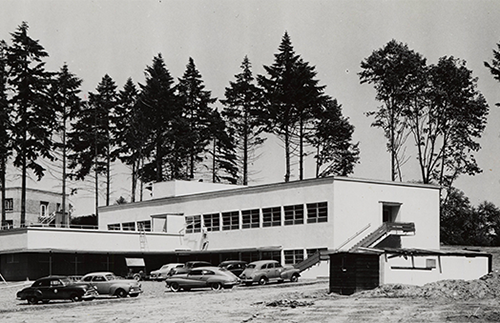
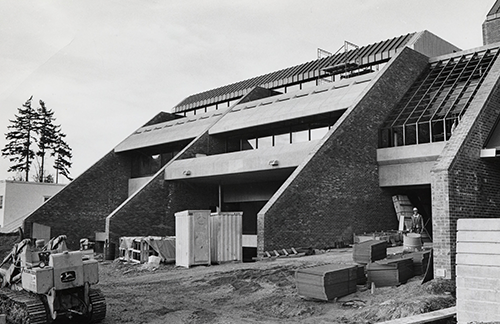
Child Development and Rehabilitation Center opens
The Child Development and Rehabilitation Center (CDRC) facility was built on Marquam Hill in 1954. The CDRC combines clinical excellence with innovative research to provide the best care for children with special health needs. CDRC staff specialize in the diagnosis, assessment and intervention related to disorders affecting development.
Two Oregon firsts: Open-heart surgery and kidney transplant
In 1958, Albert Starr, M.D., performed Oregon’s first pediatric open-heart surgery on a 7-year-old Martha VanCleave at Doernbecher. Two years later, Starr went on to co-invent and implant the world’s first artificial heart valve at OHSU.
In 1959, Doernbecher was the site of the first kidney transplant west of the Rocky Mountains and the 18th in the world when 12-year-old Charlotte Hamilton donated one of her kidneys to her identical twin sister, Charlene. Doernbecher is home to Oregon’s only pediatric kidney transplant center, providing kidney transplants for 10 to 15 children every year.
1960s
A trailblazer in pediatric surgery
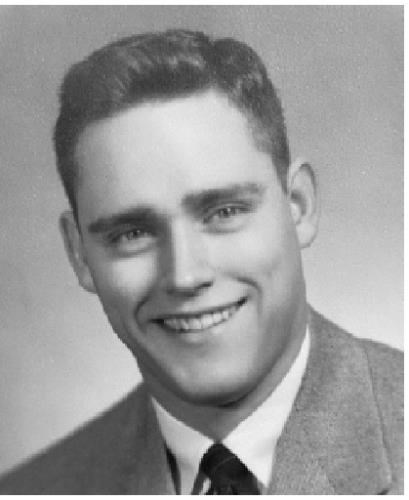
Prior to the 1960s, pediatric surgery was a relatively unknown concept not just in Portland, but in Oregon. That changed when John “Jack” Campbell, M.D., came to OHSU in 1967 as the first pediatric surgeon in the state. Campbell’s efforts established Doernbecher as the premier children’s hospital in Oregon, and his advocacy boosted the profile of pediatric surgery across the entire Pacific Northwest.
Campbell’s distinguished career at OHSU spanned decades. He later served as acting chair of the OHSU Department of Surgery from 1984-1986. He was the first surgeon-in-chief of the new Doernbecher Children’s Hospital building from 1998-1999.
Oregon’s first NICU
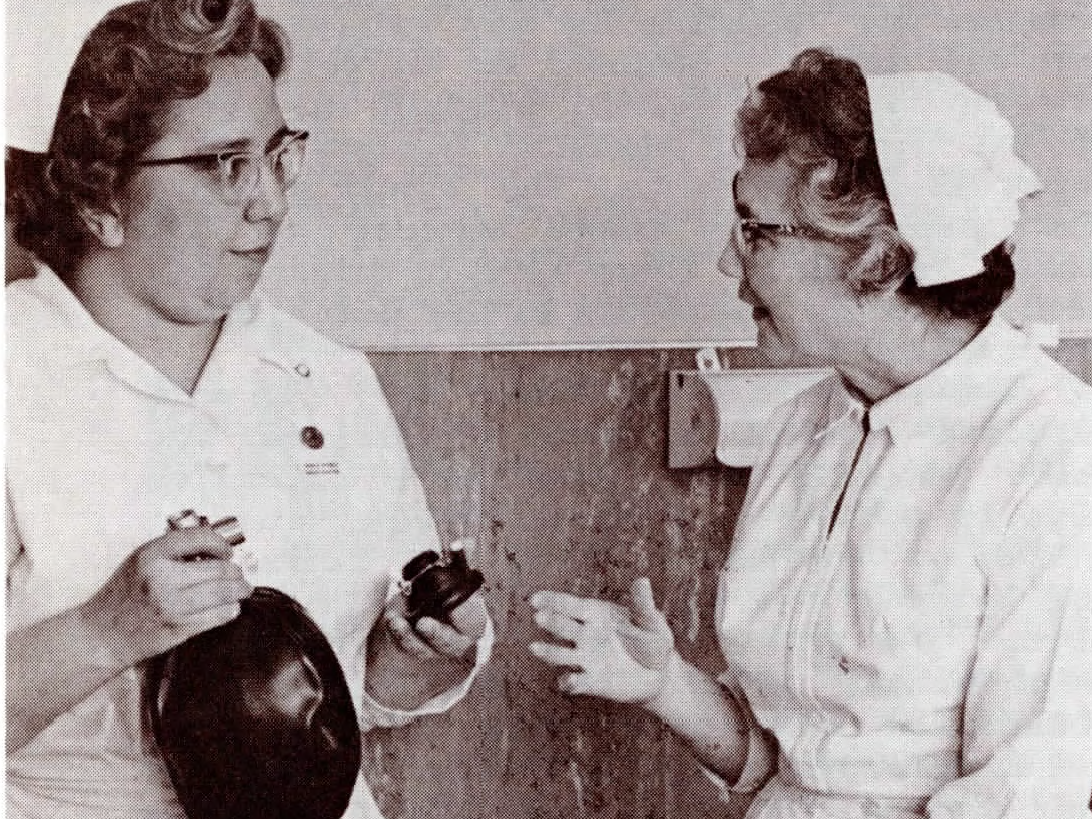
Portland pediatrician Gorham Babson, M.D., and Betty Weible, RN, who had established the first complete premature infant nursery in the Northwest at Doernbecher in 1950, received support from the Doernbecher Guild to expand. The result of the funding was Oregon’s first neonatal intensive care unit, which opened in 1968.
The first perinatologist in Oregon, Babson directed the NICU from 1968 to 1977 and was an early innovator in neonatology and perinatology. He created some of the first neonatal growth charts and modern infant scales, and he authored one of the first textbooks on premature infants and high-risk pregnancy.
1970s
A decade of firsts
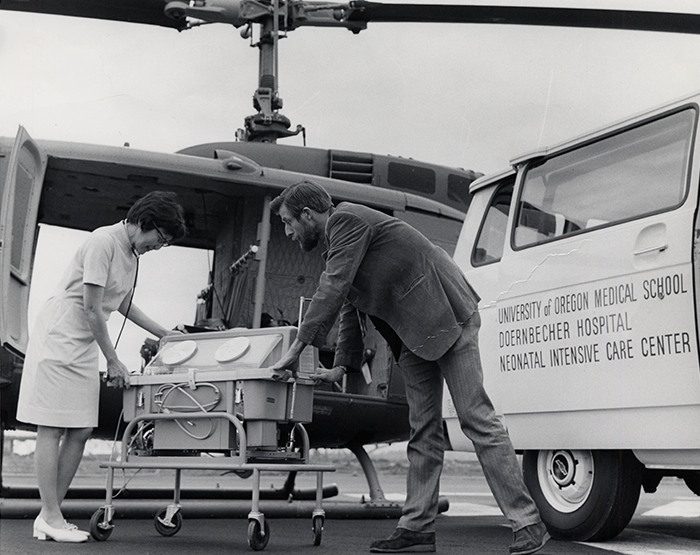
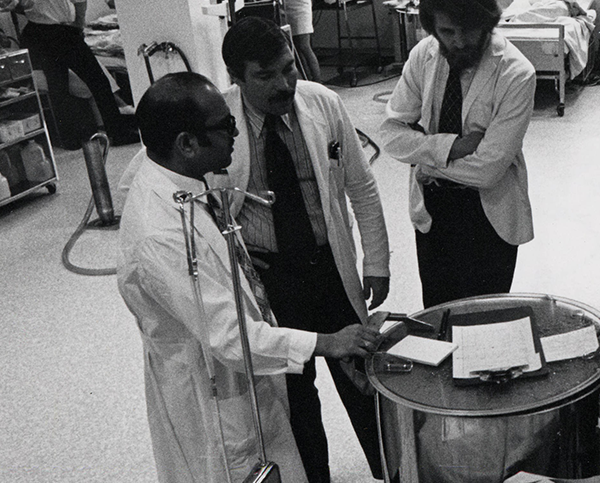
In 1972, Doernbecher launched Oregon’s first neonatal transport system to respond to emergencies throughout the state. In 1995, the Pediatric and Neonatal Transport (PANDA) Team was formed from the transport system, and today PANDA responds to emergencies throughout the state, making more than 800 trips each year.
In 1977, Doernbecher began participating in the Children’s Cancer Study Group (now known as Children’s Oncology Group) funded by the National Cancer Institute, which conducts clinical trials devoted exclusively to pediatric research. At the time, it was Oregon’s only member health center.
Y.B. Talwalkar, M.D., a trailblazer in the field of pediatric nephrology, brought continuous ambulatory peritoneal dialysis (CAPD) to the children of Oregon. His team was among only a handful around the world providing this new type of dialysis. The revolutionary advancement increased survival rates and lessened the burden of dialysis on families.
1980s
Preventing lung collapse in premature babies
From the mid to late 1980s, Doernbecher was part of a groundbreaking research study that showed that by enhancing surfactants — key components of a premature baby’s lungs — doctors could dramatically decrease lung collapse in premature infants. Doernbecher doctors, including Joe Gilhooly, M.D., used surfactant obtained from cow lungs, and directly inserted it into the tiny baby’s lungs via a breathing tube. The results were dramatic. During this era the mortality for the smallest premature infants fell from roughly 80% to 20%.
The beginning of impactful partnerships and programs
Many of Doernbecher’s relationships and programs today took root in the mid-to-late 1980s into the early 1990s. From 1985 to 1991, the children’s hospital established partnerships that still make impacts today, including Kiwanis (1985), Credit Unions for Kids (1986), Friends of Doernbecher (1989), Children’s Miracle Network Hospitals (1990) and Kids Making Miracles (1991).
In 1989, Doernbecher also launched its Child Life Therapy Program, which is aimed to ease patients’ and families’ stress during hospital stays.
In 1988, the Doernbecher Guild became the Doernbecher Children’s Hospital Foundation, which embarked on a grassroots fundraising campaign in support of a new state-of-the-art facility to accommodate the hospital’s growing number of patients and staff.

1990s
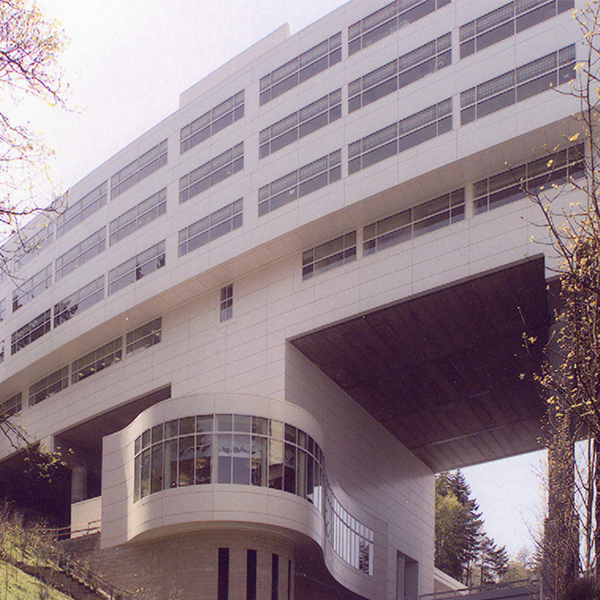
New building opens its doors
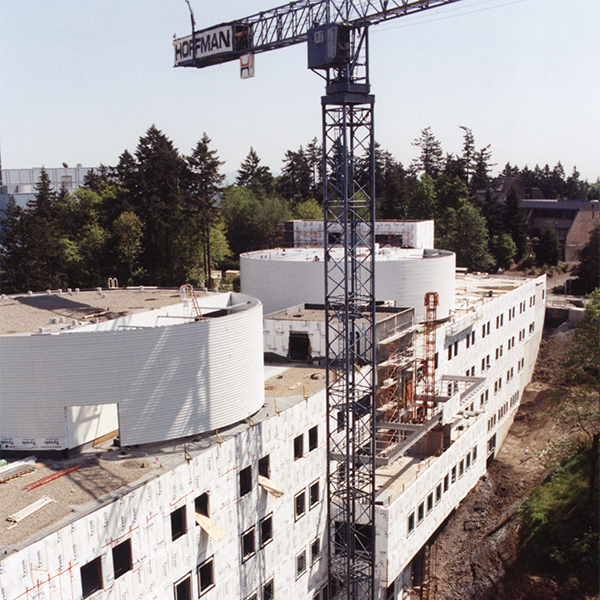
On July 14, 1998, Doernbecher Children’s Hospital welcomed patients into its new building. A 250,000-square-foot, six-story building, the hospital’s award-winning design is considered a model for the delivery of pediatric patient care.
The Doernbecher Children’s Hospital Foundation rallied thousands of donors to raise $35 million for the building’s construction.
First Gleevec testing on kids
In 1999, Doernbecher physicians became the first in the world to test the cancer drug Gleevec on pediatric patients. Developed by Brian Druker, M.D., chief executive officer of the OHSU Knight Cancer Institute and JELD-WEN Chair of Leukemia Research, Gleevec has turned chronic myeloid leukemia (CML) from one of the deadliest cancers into a manageable disease. It has since become one of the most revolutionary cancer drugs ever developed and ushered in the era of precision oncology.
2000s
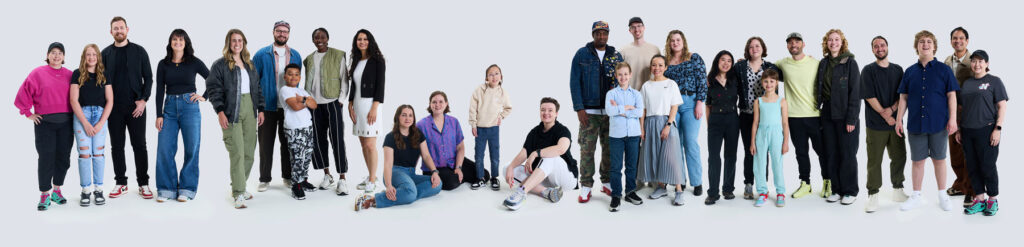
Nike Freestyle
In 2004, Doernbecher’s stylish collaboration with Nike — Doernbecher Freestyle — was born. An idea that began around Michael Doherty’s kitchen table and is propelled by a dedicated group of volunteers, the partnership pairs Doernbecher patients with Nike designers and developers, who work together to create one-of-a-kind shoes inspired by the patients’ health journeys. The creations are auctioned off, with the proceeds benefitting Doernbecher. To date, the program has raised over $44 million for children’s health.
A boon in pediatric research and cancer care
The research conducted at Doernbecher is what sets it further apart from other children’s hospitals, a distinction that was boosted in 2006 with a generous gift from Shirley Papé. Her philanthropy established the Papé Family Pediatric Research Institute, a state-of-the-art facility dedicated to researching childhood diseases such as diabetes, neurological disorders, hemophilia, pediatric cancer, metabolic disorders and more.
In 2005, the pediatric cancer program expanded with the opening of the Kenneth W. Ford Northwest Children’s Cancer Center.
2010s
Advocating for patients and their families
Parents and caregivers tending to their kids’ complex health needs often require help — whether it’s scheduling appointments, connecting with resources, understanding health insurance, getting food, navigating legal situations or a variety of other logistics.
In 2011, Novel Interventions in Children’s Healthcare (NICH), a program housed within Doernbecher, opened to offer that support. Interventionists are embedded in communities around Oregon and act as liaisons between patient-families and the healthcare system.
In 2017, the Nourish program was established to prevent hunger for caregivers during hospitalization, destigmatize the experience of needing food resources, and help connect families in need to community resources.
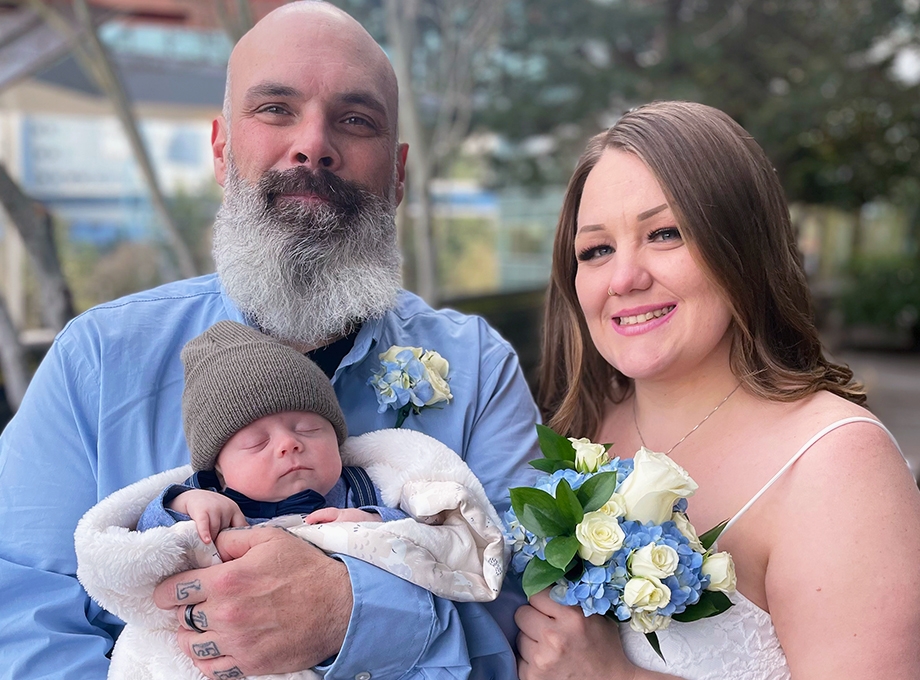
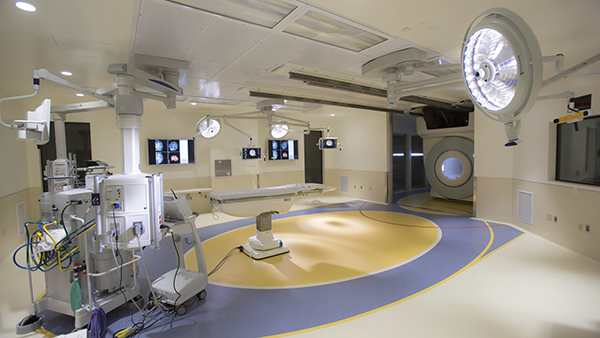
The transformative iMRI
In 2016, Doernbecher became the only children’s hospital on the West Coast with an intraoperative MRI (iMRI) suite, allowing neurosurgeons a more precise look at the brain during surgery than ever before. Funded partially through a generous gift from the family of Arnold and Leona Poletiek, the iMRI suite enables Doernbecher neurosurgeons to more precisely and safely remove most brain tumors in single operation.
A home away from home
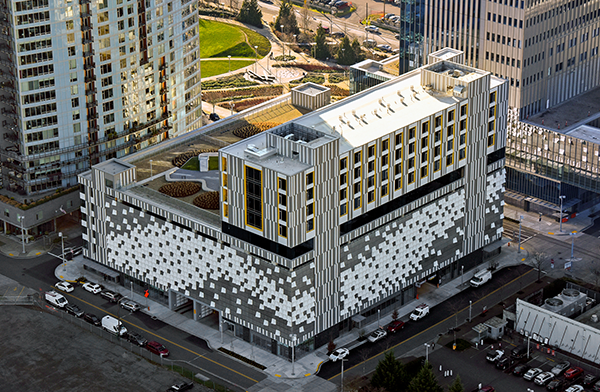
The OHSU Gary & Christine Rood Family Pavilion, a five-story guest house serving pediatric patients and their families, opened in 2019. Funded entirely by philanthropy — including a generous $12 million gift from Gary and Christine Rood — the Rood Family Pavilion features private rooms, indoor and outdoor community spaces, and play spaces dedicated to the comfort and well-being of families who need to travel to Portland for specialized care, often necessitating lengthy hospital stays. The pavilion is run in partnership with Ronald McDonald House Charities of Oregon & SW Washington.
No. 1 in the Pacific Northwest
Doernbecher rose to a new level of prominence in 2018 when it became the only children’s hospital in the Pacific Northwest — and the fifth in the U.S. — to be certified as a Level 1 Pediatric Trauma Center and Level 1 Site for Children’s Surgery by the American College of Surgeons.
2020s

Breakthroughs in fetal medicine
The field of fetal surgery — or surgery on fetuses — is still relatively new in medicine. Andrew Chon, M.D., and Raphael Sun, M.D., who arrived at OHSU in 2022, specialize in performing some of the most complex fetal surgery cases in the U.S. Their work is part of Doernbecher’s Fetal Care Program, a comprehensive, expert team of neonatologists, pediatric cardiologists, maternal-fetal medicine specialists, radiologists, pediatric subspecialists and anesthesiologists. It is one of only a handful of centers in the country to provide the highest level of maternal, fetal and neonatal care in one location.
Pushing research in pediatric neuromuscular disorders forward
In 2024, Cheryl Ramberg-Ford and Allyn Ford gave $16 million to establish a comprehensive clinic for children with pediatric neuromuscular disorders (NMDs). The gift — the single largest private donation in Doernbecher’s 98-year history — was made in memory of Cheryl’s brother, Douglas Ramberg, who passed away in 1965 from complications of muscular dystrophy, the most common NMD. The Fords’ gift established the Ramberg Ford Pediatric Neuromuscular Disorders Center, a dedicated, purpose-built space for highly coordinated, multidisciplinary patient care, family support and clinical research.
Credit Unions for Kids Cardiac Hybrid OR
The new hybrid operating suite, which opened in 2026, combines a pediatric operating room with a cardiac catheterization lab, making heart surgery safer and more efficient for vulnerable patients at Doernbecher. Now, surgeons and interventional cardiologists can perform multiple or complex procedures together, in one setting, without adding risk and spending precious minutes in transport.