


By Josh Friesen
When Jordan and Cody Medeiros’ 4-year-old son, Lincoln, was diagnosed with an ultra-rare neurodegenerative condition, they knew the path ahead would be daunting.
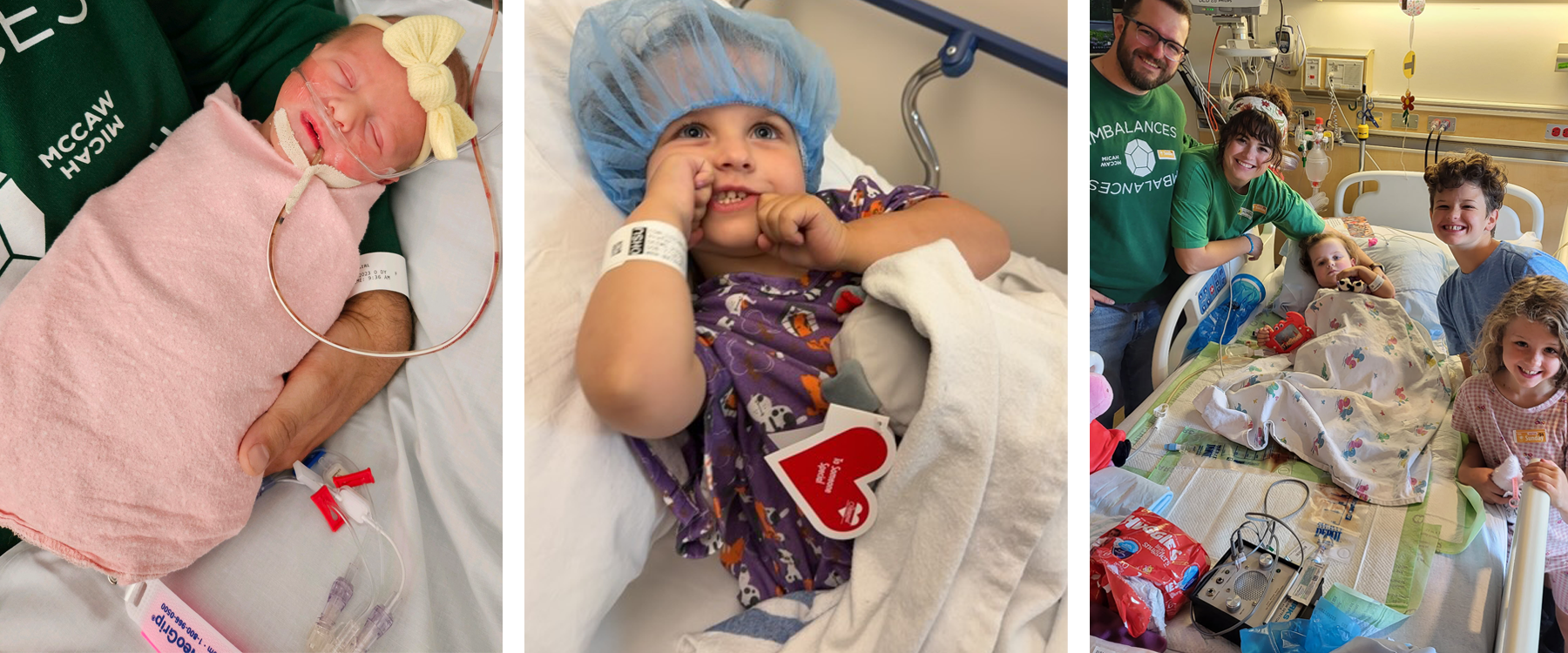
They took comfort, however, knowing they wouldn’t have to walk it alone. From prenatal care and genetic testing through to diagnosis and beyond, Lincoln’s multidisciplinary care teams at OHSU and OHSU Doernbecher Children’s Hospital have been there for the Medeiros family every step of the way.
“It’s been so reassuring to have a team here that we can reach out to anytime,” Jordan said.
“It really just takes the loneliness out of it,” Cody said. “That’s such a big piece OHSU has done for us. We haven’t felt alone.”
Seeking answers
It was 2020, and Jordan — 20 weeks into her pregnancy with Lincoln — could sense something wasn’t right.
She and Cody, who live outside of Salem, had just heard back about the results of her 20-week anatomy scan and learned her baby potentially had a mild ventriculomegaly, a brain abnormality in which the brain’s ventricles are enlarged. Though it didn’t necessarily raise cause for concern in and of itself, Jordan was anxious.
“I just felt super uneasy that something was wrong,” said Jordan, a former nurse at Salem Health. “We’re talking about something with the brain. It’s obviously a concerning matter. We were referred to OHSU’s fetal therapy team right away.”
Jordan and Cody came to OHSU, where an amniocentesis, a prenatal test that checks for genetic and chromosomal abnormalities and disorders, yielded nothing out of the ordinary. They returned to OHSU every month during the pregnancy for ultrasounds. While they confirmed the ventriculomegaly, they showed it was mild and wasn’t growing. With no other complications, Jordan was able to deliver Lincoln as planned with her midwives in Salem.
As Lincoln grew up, Jordan and Cody noticed his development slowed down at about 6 months old. They brought him back to OHSU, where pediatric neurologists discovered his head had stopped growing and diagnosed him with microcephaly, a condition in which the head is atypically small. An MRI revealed structural abnormalities on the brain that were minor, but extensive.
Lincoln’s symptoms all pointed to something, and Jordan and Cody counted on OHSU to find out what it was. What OHSU geneticists and neurologists found shocked everyone.
“Philanthropy is crucial to successfully treating a rare disease. A clinical trial is driven by research, which takes time and money, amongst other things. … We’re just so glad we have OHSU to support us on this journey.”
Jordan Medeiros
1 of 100
A microcephaly panel that tested 800 different genes revealed a mutation in the AP4M1 gene, a discovery that pointed Lincoln’s care teams toward a condition they’d never diagnosed before: hereditary spastic paraplegia 50 (SPG50).
It was the 100th known case of SPG50 in the world.
“We were shocked by his diagnosis — completely caught off guard,” Jordan said.
Along with the symptoms Lincoln had already exhibited, SPG50’s initial symptoms can include speech delay, seizures, and undeveloped fine and gross motor skills. Spasticity presents in the lower legs and gradually works its way upward, leading to a loss of the ability to walk. As Lincoln enters adulthood, the spasticity will continue up his torso and could eventually extend to his arms and hands, causing quadriplegia.
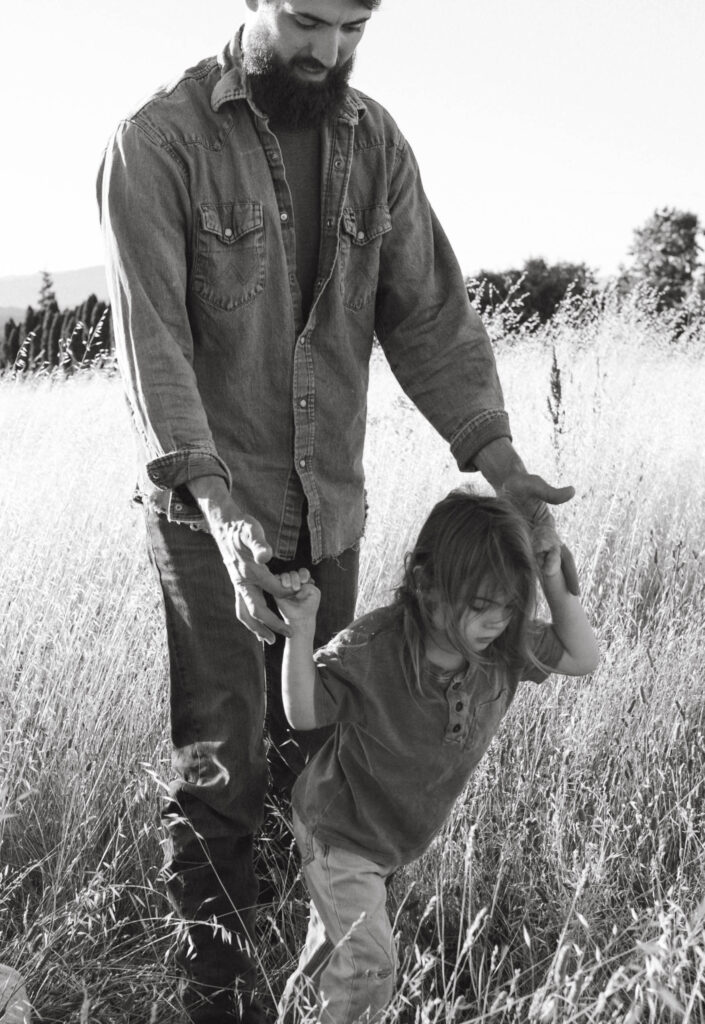
SPG50 is already affecting Lincoln drastically today. Jordan and Cody helped him learn to walk when he was a toddler. Now, they’re watching him slowly lose that ability.
“He’s not quite to the point where he can’t walk,” Cody said. “But this being a neurodegenerative condition, he will slowly lose those abilities and those skills he’s worked so hard to gain.”
“We just got a walker for him, which felt really weird emotionally,” Jordan said. “His balance is really bad. So, it was awesome to get it and to see him cruising down the hall in it trying to keep up with his sister. But it’s definitely hard to see him regress, too.”
Peace of mind on the hill
From midway into Jordan’s pregnancy all the way through to today, OHSU has been a consistent presence and source of comfort.
Specialists from maternal-fetal medicine, genetics and neurology worked toward making an ultra-rare diagnosis. When Lincoln’s condition began affecting his optic nerve, he was referred to the Casey Eye Institute. When there were concerns about Lincoln being underweight, he was referred to Doernbecher’s feeding clinic. Jordan and Cody are in constant contact with Lincoln’s care team, led by pediatric neurologist Jenny Wilson, M.D., associate professor of pediatrics (neurology) in the OHSU School of Medicine.
“I’ll reach out to Dr. Wilson and ask questions, and she’s always responsive,” Jordan said. “It’s just really reassuring knowing that Dr. Wilson is there, and that she can help us down this path.”
OHSU’s continued support now and into the future is invaluable. It enables Jordan and Cody to focus on fundraising for SPG50 research and being parents to Lincoln and their two other children, Kennedy and GraceLynn.
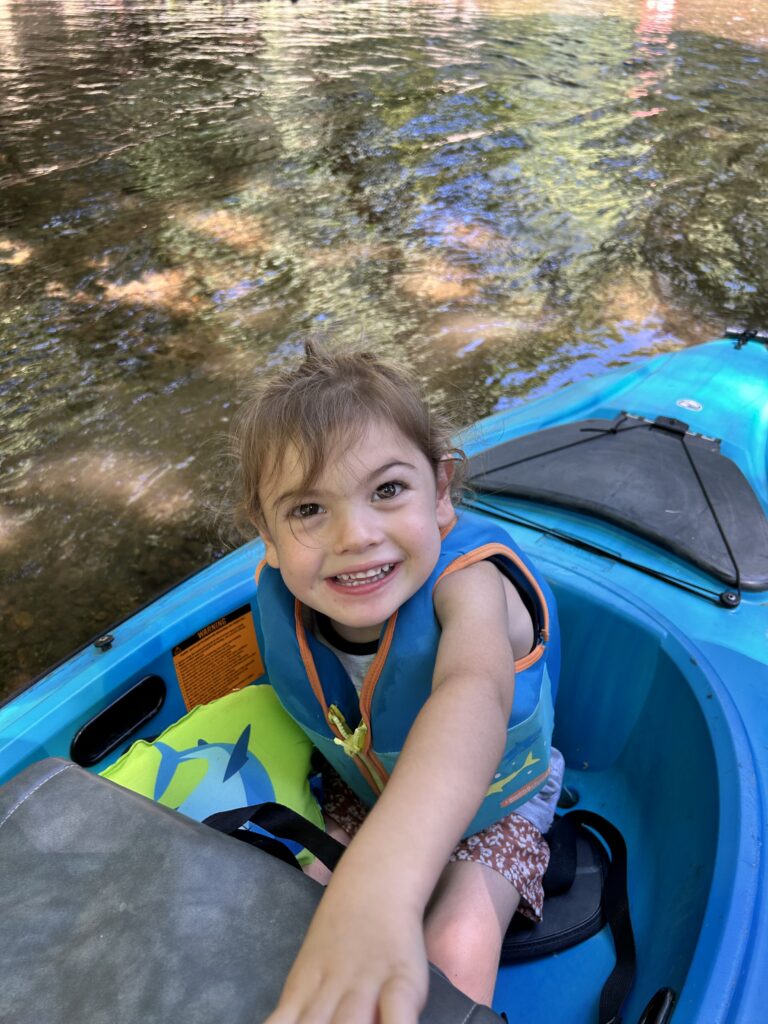
While SPG50 is affecting Lincoln, he’s as rambunctious, playful and curious as his peers. He’s inquisitive and cuddly, quick to smile and loves to move.
“He might be limited, but he’s an extremely curious, super smart, high attention to detail kind of kid,” Cody said. “He might recognize he can’t do all the things other kids his age can do, but it doesn’t slow him down.”
“It’s a lot,” Jordan said. “But he’s awesome. We love him. He truly amazes us every day.”
Lincoln’s Corner
Not long after Lincoln’s diagnosis, Jordan and Cody learned about the efforts of Terry Pirovolakis, a Canadian father whose son, Michael, was diagnosed with SPG50 in 2019.
Determined to find a cure for his son, Pirovolakis raised $4.5 million over four years, hired a research team at the University of Texas Southwestern Medical Center to develop a treatment for SPG50 and founded Elpida Therapeutics, a biotechnology company aimed at developing treatments for children with rare diseases. Pirovolakis’ efforts yielded a gene therapy called Melpida, which was developed specifically to treat SPG50.
In support of Pirovolakis’ undertaking, Jordan and Cody created Lincoln’s Corner, a nonprofit dedicated to accelerating gene therapy treatments, funding research and raising awareness of SPG50. Their nonprofit is one of four that make up the Jack’s Corner Foundation Network. This community of parents’ nonprofits from all over the United States are currently fundraising for Melpida’s phase 3 clinical trial. So far, they’ve raised about $1.8 million of their $3 million goal.
“All our fundraising goes into the same pot and is all being committed to this clinical trial,” Jordan said. “All our collective resources are thrown at this, and it’s really remarkable. As a parent of a child with an incredibly rare disease, you have to throw yourself out there and pray that you find somebody who genuinely believes in your efforts and wants to support you on the journey.”
Philanthropy, Jordan and Cody say, is key to researching rare diseases and finding treatments for children like Lincoln. They have peace of mind knowing they have OHSU’s support while they work to fundraise.
“Philanthropy is crucial to successfully treating a rare disease,” Jordan said. “A clinical trial is driven by research, which takes time and money, amongst other things. In the world of rare disease, it’s nearly impossible to find an investor for a study. Your only hope is truly the generosity of others. We’re just so glad we have OHSU to support us on this journey.”
Patient Care
Patient Care

Community | Patient Care