


By Darby Kendall
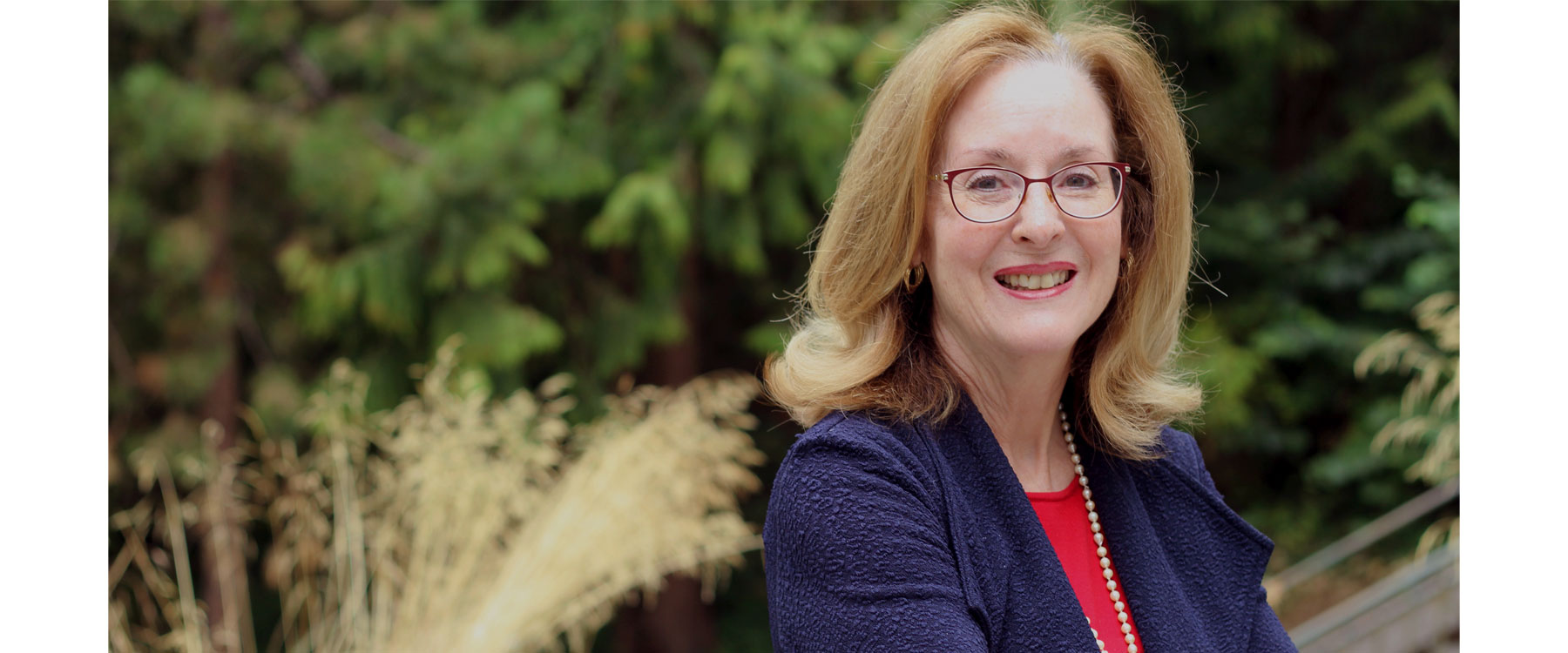
Susan Bakewell-Sachs, Ph.D., RN, FAAN, vice president for Nursing Affairs and dean at the OHSU School of Nursing, is passionate about the advanced education and specialized expertise that define modern practice at the OHSU School of Nursing. Her efforts as dean include supporting the 30-30-30 initiative, a program that is strengthening nursing in Oregon by expanding access to education, boosting student diversity and graduating more nurses in key clinical areas. OHSU-trained nurses deliver complex care and serve as essential partners in advancing health outcomes across Oregon and beyond.
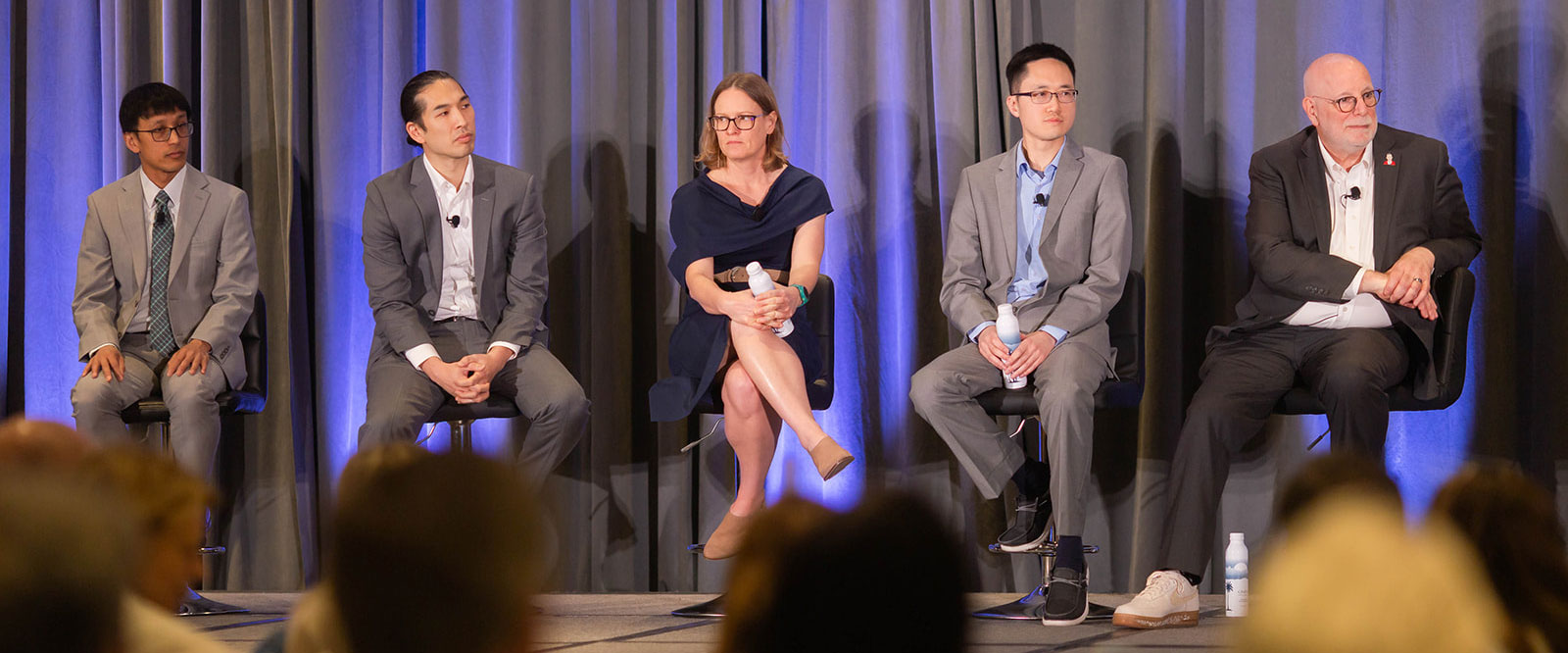
Here are some highlights from Bakewell-Sachs speaking at a recent conference on the hallmark OHSU School of Nursing programs that meet patients within their communities to provide innovative care.
Transcript
Registered nurses and advanced practice nurses are very essential members of our health care teams. We’re often referred to as the backbone of the health care system, and the reality is that health care could not be delivered without nurses.
Susan Bakewell-Sachs is vice president for Nursing Affairs, professor and dean at the OHSU School of Nursing. Dr. Bakewell-Sachs has a clinical background as a pediatric nurse practitioner and is a nationally recognized expert in nursing education. Her efforts as dean include supporting the 30-30-30 initiative, a program that is strengthening nursing in Oregon by expanding access to education, boosting student diversity and graduating more nurses in key clinical areas. Here are some highlights from Dr. Bakewell-Sachs speaking at a recent conference on the hallmark OHSU School of Nursing programs that meet patients within their communities to provide innovative care.
If you were to ask entering baccalaureate students why they want to be nurses, you would commonly hear a couple of things. One, I want to help people. I want to care for people, and I want to make a difference. So through our programs, they become professional caregivers with the knowledge, skills and competencies to save lives, improve health, improve health care, teach and translate and discover new knowledge.
At the OHSU School of Nursing, we are committed to innovative and active learning, and I want to share an example with you about what that means. In Southern Oregon, serving Klamath and Jackson counties, so from our Ashland and Klamath Falls campuses, we have the Street Nursing Team. This team was created with four-year federal grant, and that grant allowed us to create a team that was focused on the health of people experiencing homelessness in these counties in Ashland. Our team includes a psychiatric mental health nurse practitioner, faculty, registered nurse faculty, undergraduate students and some graduate students. They have worked with a local clinic to expand primary care services, to expand mental health services. They can provide mental health services on the street because of the psych mental health nurse practitioner. They can initiate telehealth visits from the street because they carry iPads. They offer wound care, and they offer a weekly foot clinic.
I visited the foot clinic in Medford at the Presbyterian Church. This clinic is provided every Tuesday morning in the courtyard. And in this courtyard, on one side are a set of folding chairs, and in front of every chair is a basin that as clients come in, those basins are filled with warm water. The clients sit down, they’re helped removing their shoes and socks, and their feet are washed, their skin is assessed, and they again engage in conversation with a student or a faculty member about their lives, how they are, how they’ve been. Many of these folks come every week, and it’s a very important part of contact.
A baccalaureate student who had the opportunity to work with the street team for two terms, that’s about six months, told me the following story. She got to know individuals. She was at that clinic every week. She did street rounds, she did hospital rounds, and she got to know one woman in particular, and this woman had a sad and complicated story of why she was homeless. She also had very serious medical issues. She had heart failure; she became very ill and had to be hospitalized. And because she was part of the street team, and because the street team works with the local hospital so closely, the street team received a call that she was in the hospital. So, the student and the faculty were able to do hospital rounds with her and encourage her to stay in the hospital and receive care, because there’s not always a trusting relationship to do that. At the time when they were talking about the next step and discharge, the student got to work with the discharge planners and the client, and have a plan of care, which involved new medications, which they had filled. They had everything ready. She was going to transition to a shelter, which she did, and there were follow up appointments, and the student was going to be engaged in all of that.
Sadly, within 24 hours of her discharge and transition to that shelter, all of her medications were stolen. Now this would be an absolute crisis for someone who did not have a way to seek a next step. But through the shelter, she reached out to the street team. And the student, under the supervision of the faculty, worked with the hospital and the local clinic, got all of those prescriptions refilled and delivered them to that client — who otherwise, what would her choices have been? She could have gone without treatment. She could have gone back to the ER. There could have been very serious consequences for this.
What the student said to me was that it meant a great deal to her to be able to help this individual. She will carry these lessons with her for her entire career. And she said, “I will ask different questions to patients I meet in the clinic or the hospital. I will think about social drivers of health and what people are experiencing and living with.” She was able to care and help that individual, and she will make a difference for the rest of her career.
Patient Care

Students & Alumni
Patient Care