


By Darby Kendall
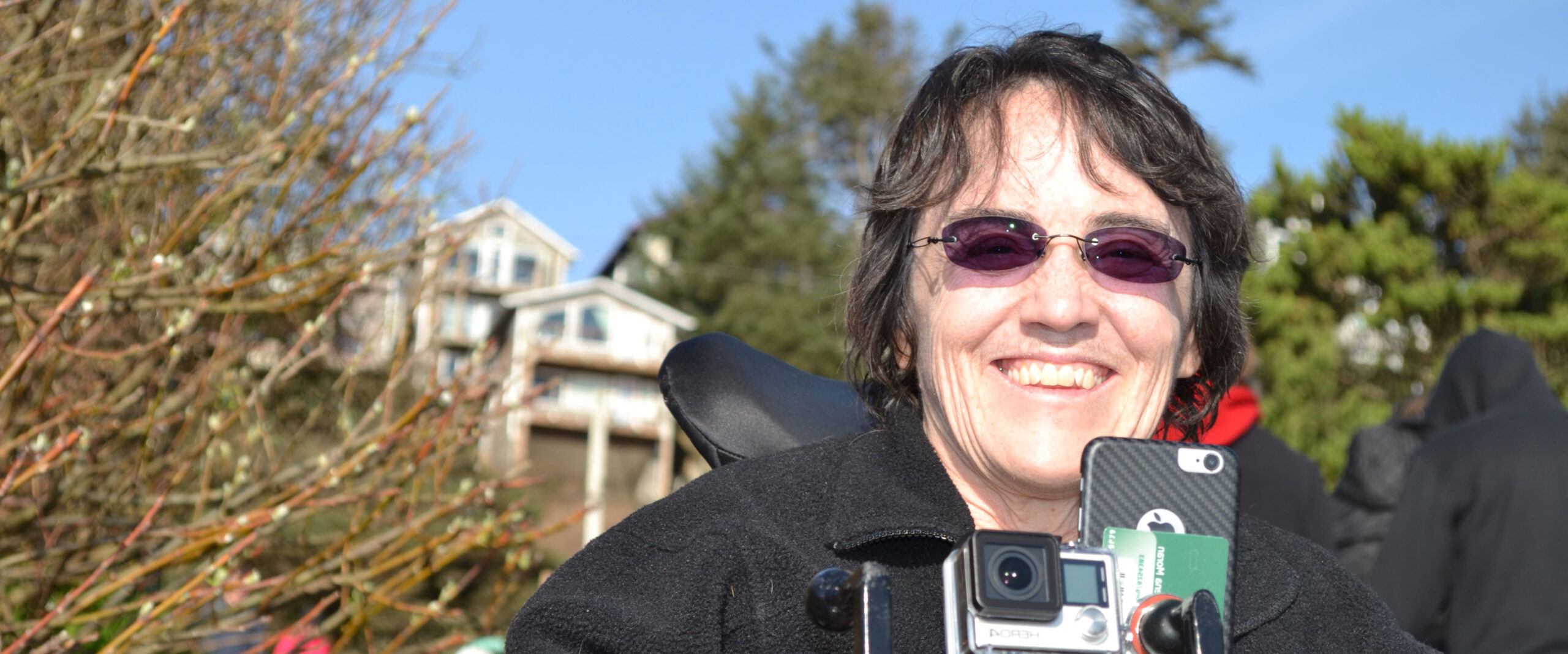
When Georgena Moran was diagnosed with primary progressive multiple sclerosis (MS) in 1998, she decided that it wouldn’t slow down her love of adventuring outdoors. Forging a path for those with disabilities, Moran is now a global leader in recreation trail accessibility.
Moran’s provider and director of the OHSU Multiple Sclerosis Center, Vijayshree Yadav, M.D., M.C.R., FANA, FAAN, is in awe of all Moran has accomplished for her community. “She’s an out-of-this-world person,” Yadav said. “As a physician, I’m just privileged to see her as a patient.”
Since 2001, Moran has conducted accessibility site assessments, creating innovative guidelines for recreation trails beyond the basic ADA-accessible designations. Because she’s paralyzed from the shoulders down, Moran uses her chin to drive a motorized wheelchair. Her wheelchair can travel far beyond basic pavement, and Moran has made it her mission to get the most enjoyment out of it possible.
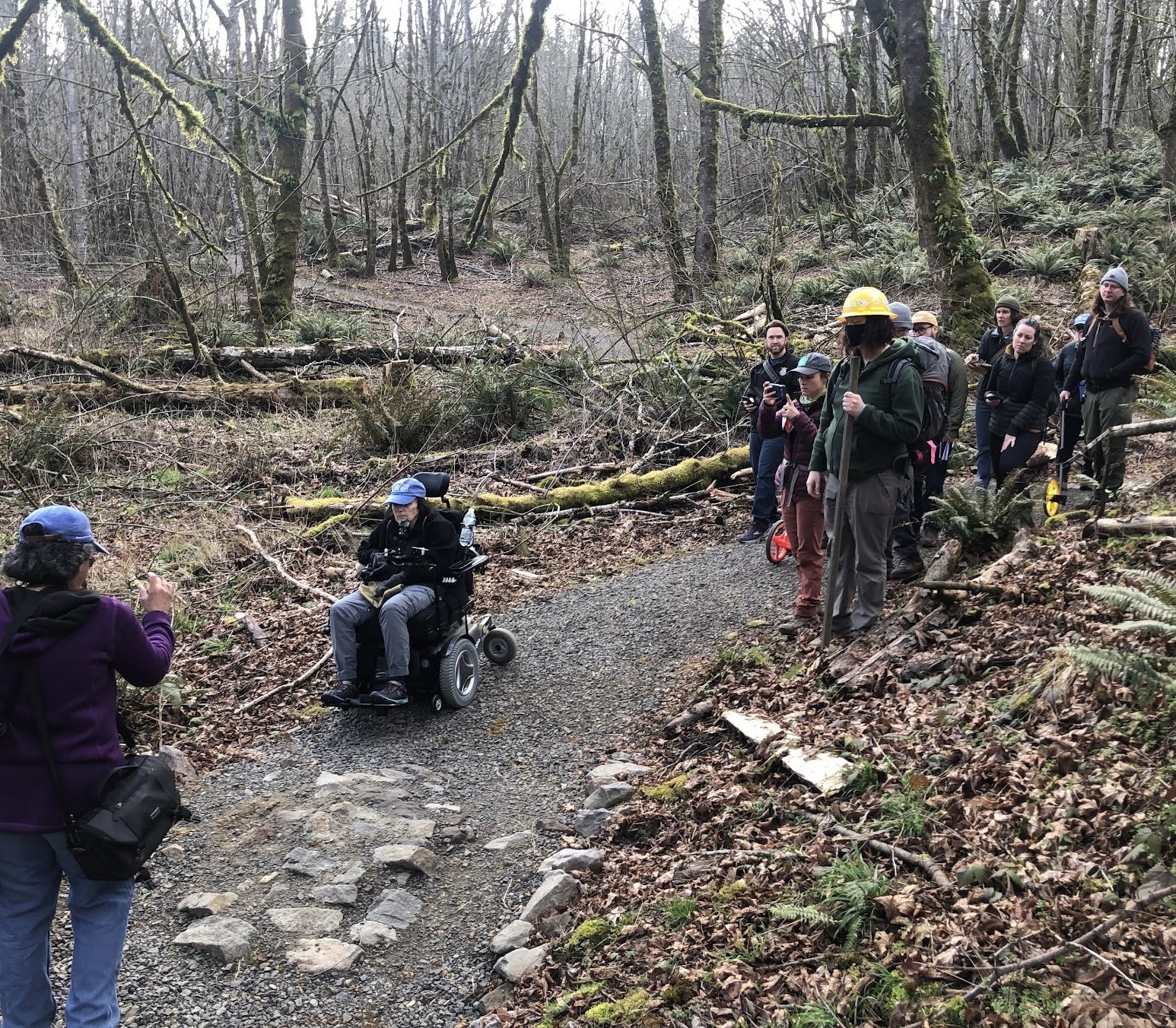
Image by Patrick Stark of the USFWS region one
“It all came about because of my passion for finding new places to go in the beautiful Pacific Northwest, and it’s not always on a paved trail,” Moran said. “I couldn’t find the information I needed online to go to these places, and it’d be a hit or miss if my chair could handle it once we got there.”
In 2009, Moran brought together federal, state and local park agency representatives and organizations that support the disability community in their pursuits in outdoor recreation. Moran called this ad hoc group Access Recreation. “We met once per month and together we created the Guidelines for Providing Trail Information to People with Disabilities,” Moran said.
Access for All, which Moran co-owns with her wife, Sharon Mitchell, continues the work of Access Recreation by conducting two-part trainings for park and trail agencies and organizations that provide trail information to the public. People from Access Recreation with lived experience, including sensory and mobility disabilities, oversee both trainings.
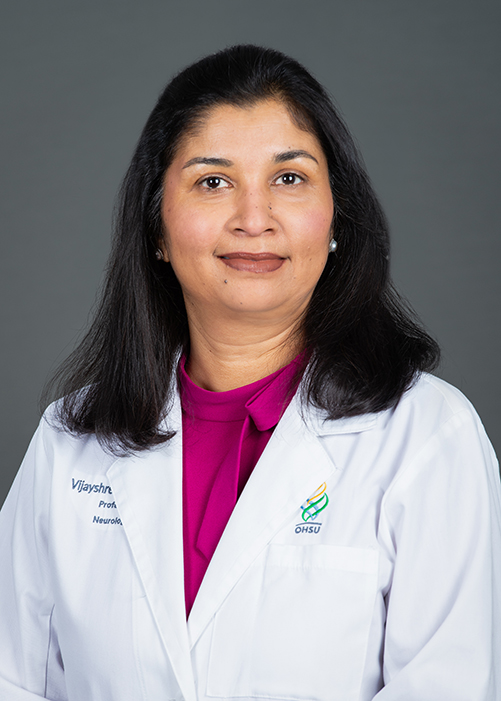
This work Moran started locally is now spreading nationally and combats the primary obstacle for many to be able to hike trails — a lack of useful information. Now, wheelchair users, parents with strollers, those with blindness, and many others benefit from Moran’s work. Moran’s four older sisters have followed her lead, creating Tucson AccessTrails in Arizona. This innovative approach to opening hiking opportunities for people of all abilities is catching on and changing lives.
When navigating her own health challenges, Moran has wholeheartedly trusted Yadav during the six years they’ve known each other. “She’s been fantastic from day one, not only in her expertise, but from her personal, compassionate perspective. I’m really grateful for it,” Moran said. “She has a vast knowledge of all things related to MS, such as new technologies, medications, research, and she’s passionate about nutrition and alternative methods of treatment. I’m all about that. When we meet, it’s fun.”
The technology supporting MS patients has come a long way from when Moran was diagnosed in the ’90s. Both Moran and Yadav are excited by the regular evolutions in tech and support one another’s curiosities. “I think we complement each other,” Moran said. “We talk about innovations, new technologies and new research. I’ve got a thriving business, and I use different software and robotics to meet my needs.”
As director of the OHSU MS Center, Yadav is grateful for patients like Moran who are eager to push the boundaries of what’s possible while living with the disease. The center is a leader in complementary therapies, with the OHSU MS Wellness Research Group internationally known for managing MS through diet, exercise and stress relief.
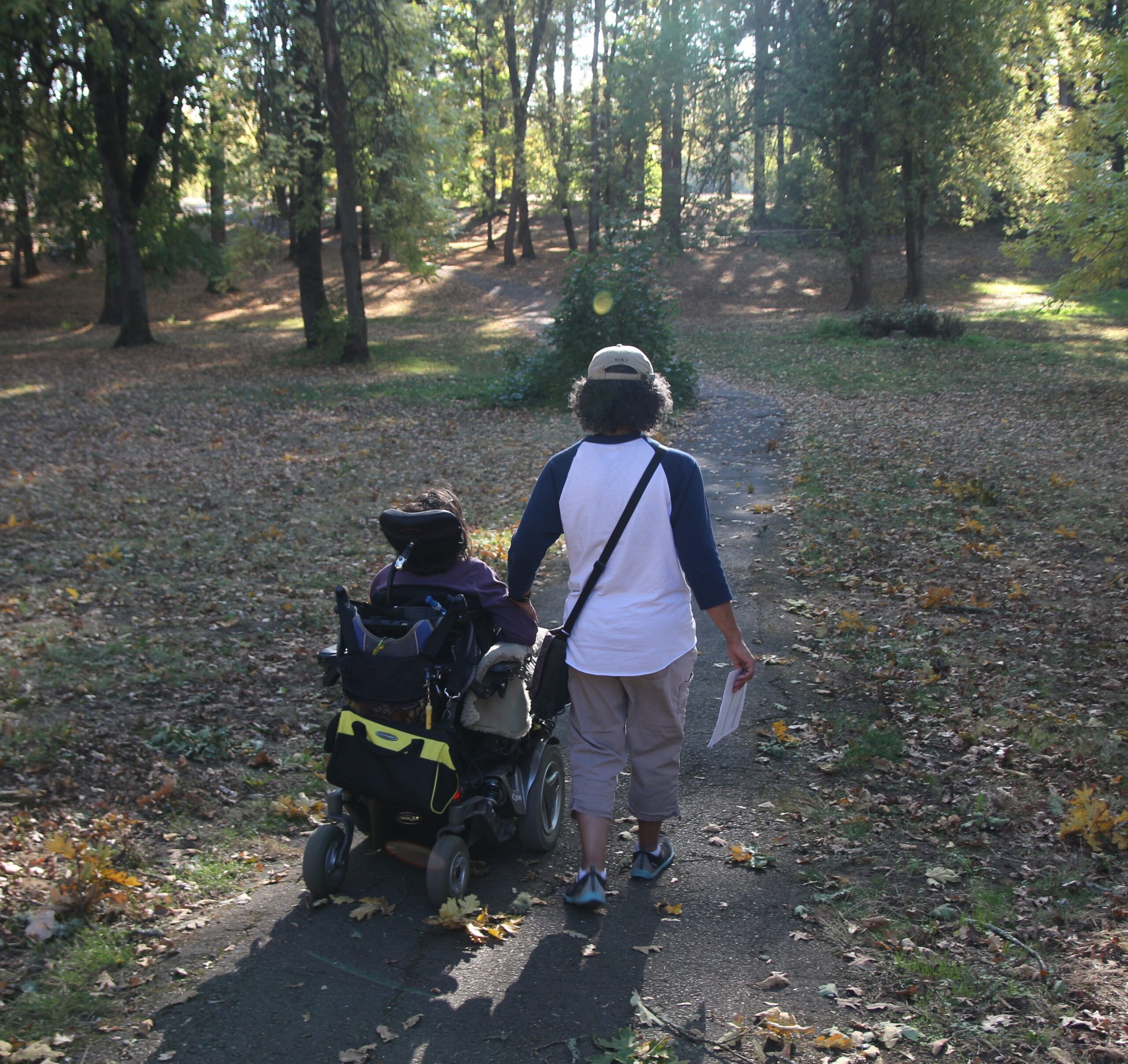
“We are known in the international field as one of the only MS centers that can really teach about complementary therapies in MS,” said Yadav, who holds the Anne Middleton Foster Endowed Professorship in Neurology. “All of that work is driven by people like Georgena, who are asking ‘What’s next?’ And there’s the openness of me listening to the patients and asking them, ‘What are you interested in? What else can I do for you?’”
Though Moran is less frequent with her outdoor adventures as she approaches 70, she’s still highly active and eager to see what’s next for her advocacy efforts. Moran appreciates Yadav’s holistic approach to her health, as it enables her to continue her work.
“What I see as the greatest aspect of what she brings to my life is her vast knowledge of everything related to MS,” Moran said. “She is like no one that I have ever worked with professionally in the medical field. I am beyond grateful for that.”
The respect is mutual for Yadav, who considers the outlook and knowledge she receives from patients like Georgena to be invaluable in her career. In the nearly 25 years she’s worked in the field, Yadav said Georgena has truly made a unique impression on her.
“I’m just so impressed by her grit, her dedication, not only the way she fights the disease, but the way she has performed in life,” Yadav reflected. “To me, it is beyond human capacity. She just inspires me.”