


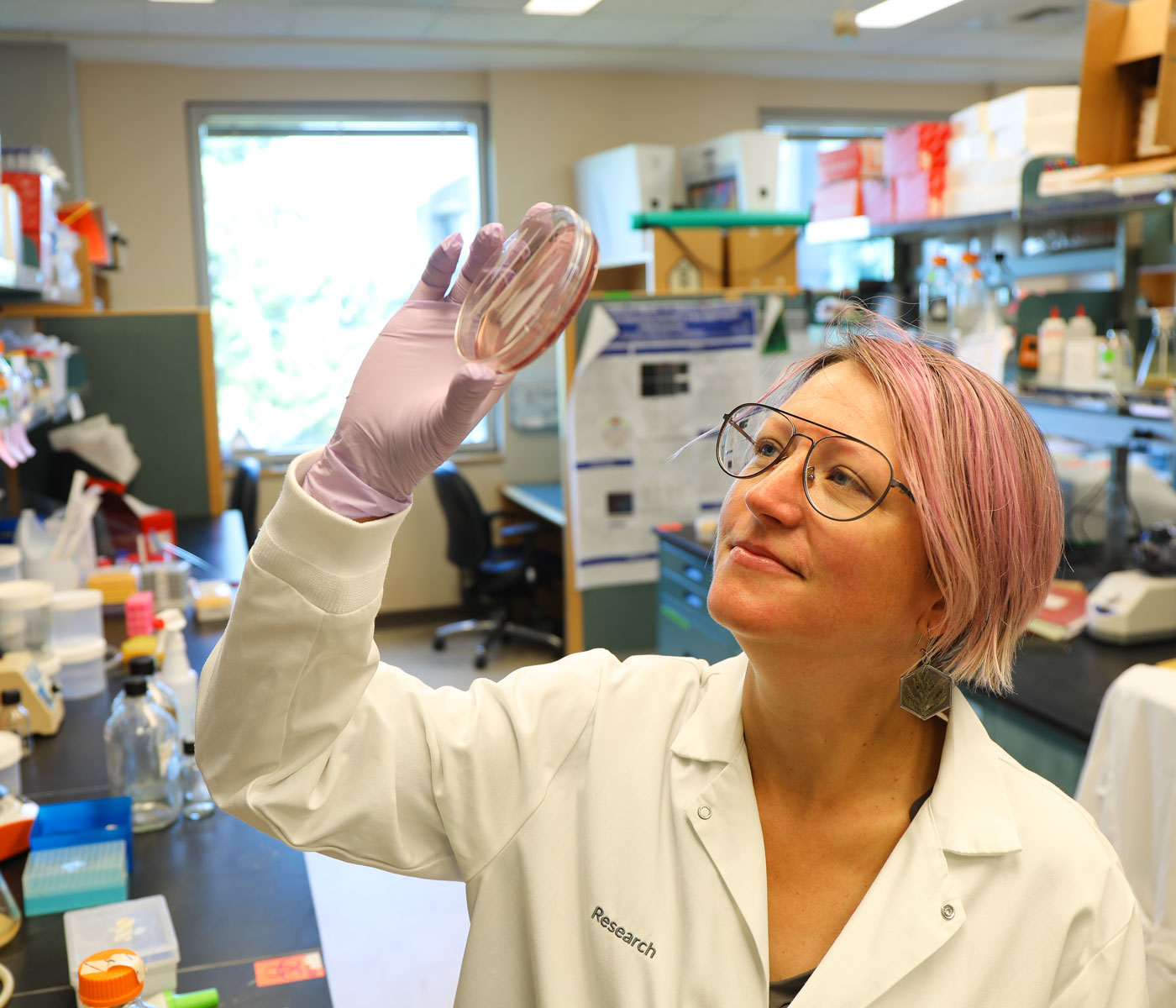
OHSU research saves lives.
Research is the origin of every lifesaving discovery, every medical advancement, every new cure, treatment or therapy. OHSU researchers — focused on forging the path toward bright futures — transform science every day. By collaborating across disciplines with partners near and far, OHSU’s research improves health for us all. Our innovations in neuroscience, cancer biology and treatment, infectious disease, molecular genetics, optometry, public health and beyond have profound impacts every day.
Why funding research matters
OHSU research yields breakthroughs — and those breakthroughs change lives. But federal funding cuts threaten the leading-edge research that drives advancements in neuroscience, cancer treatment and precision medicine. OHSU physician-scientists are tackling the most urgent health challenges of our time, but these breakthroughs don’t happen without the power of philanthropy. Supporting this lifesaving science will help fuel innovation, accelerate game-changing discoveries and ensure we can continue OHSU’s renowned legacy of innovation. Take action today and be a part of the solution.
Help protect scientific discovery. Support the OHSU Research Response Fund.
Learn why research funding is vital
Explain It!
Explain It! is a video series that spotlights the fascinating and impactful research taking place at OHSU. See the full series.

Jonah Sacha, Ph.D.
Jonah Sacha discusses why he believes we will cure HIV within our lifetimes.

Kerri Winters-Stone, Ph.D.
Kerri Winters-Stone explains her work in cancer and why she believes exercise is medicine.
Keeping the doors open for discovery
OHSU research endures with philanthropy’s vital support (from Ignite Magazine, Fall 2025)
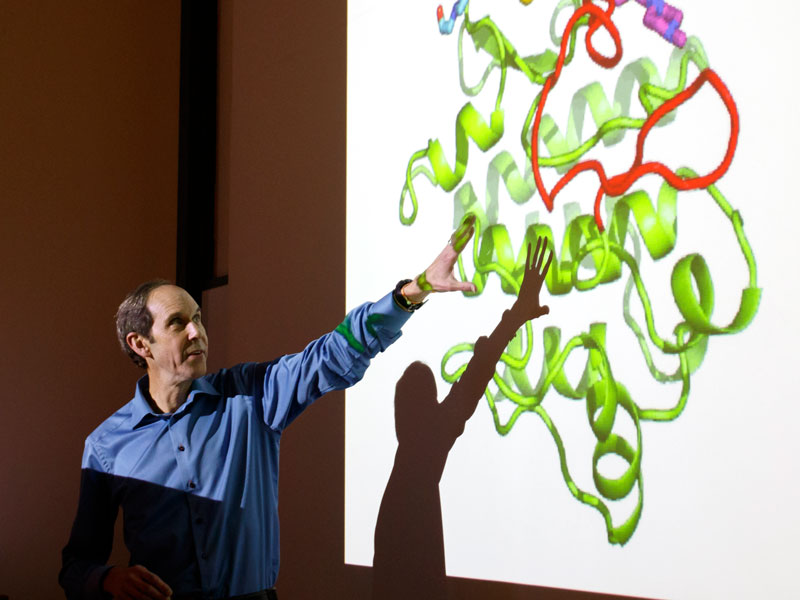
Powerful research projects at OHSU
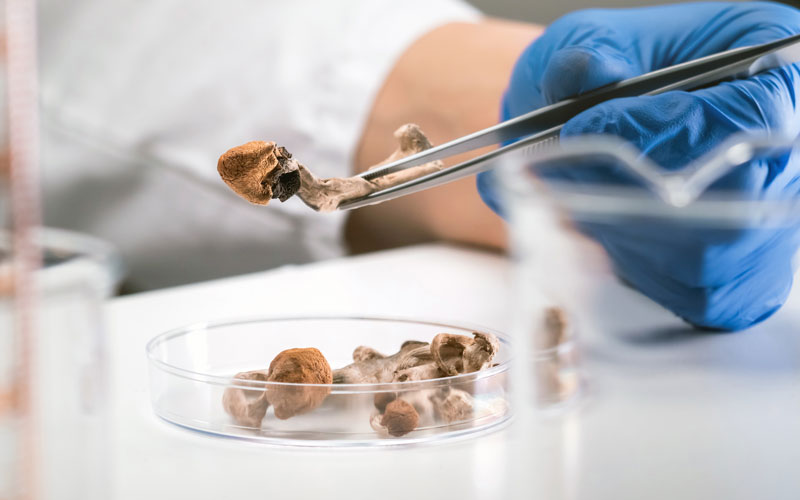
Study finds sustained benefit for people using Oregon psilocybin services
Todd Korthuis, M.D., M.P.H.
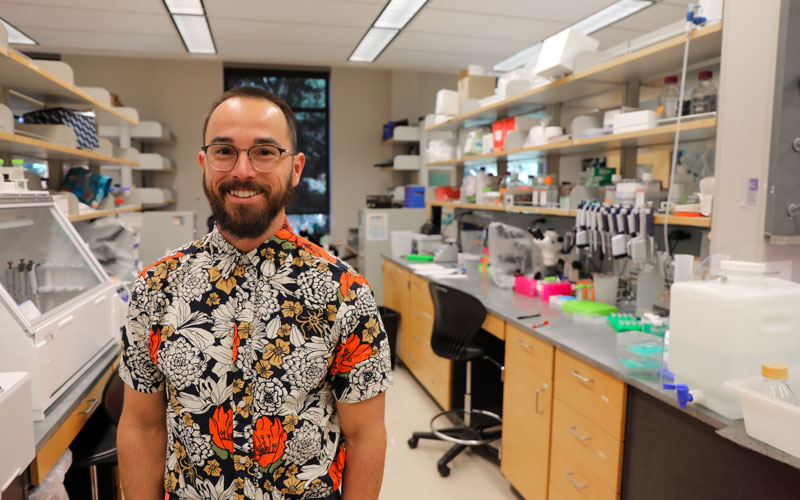
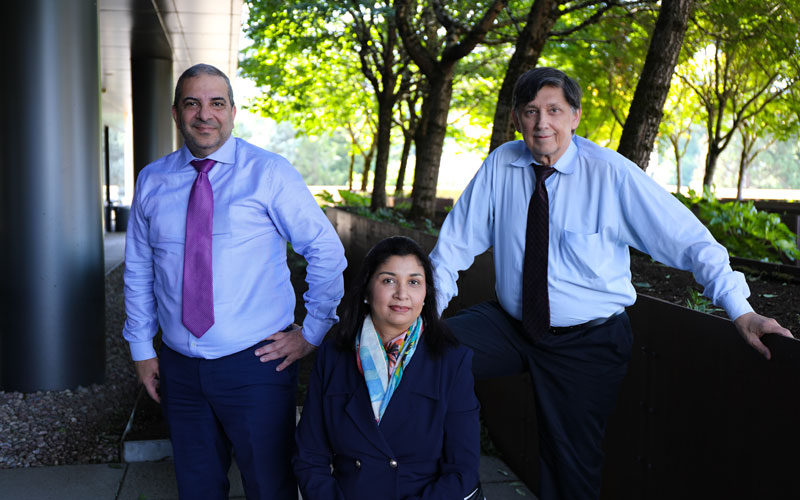
OHSU advances massive leap in medical science with cellular therapies
Nizar Chahin, M.D., Vijayshree Yadav, M.D., and Richard Maziarz, M.D
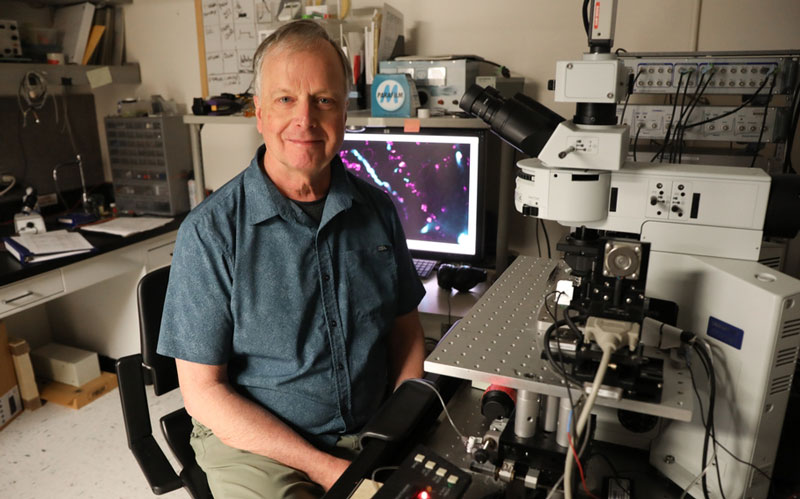
Research links tinnitus with serotonin
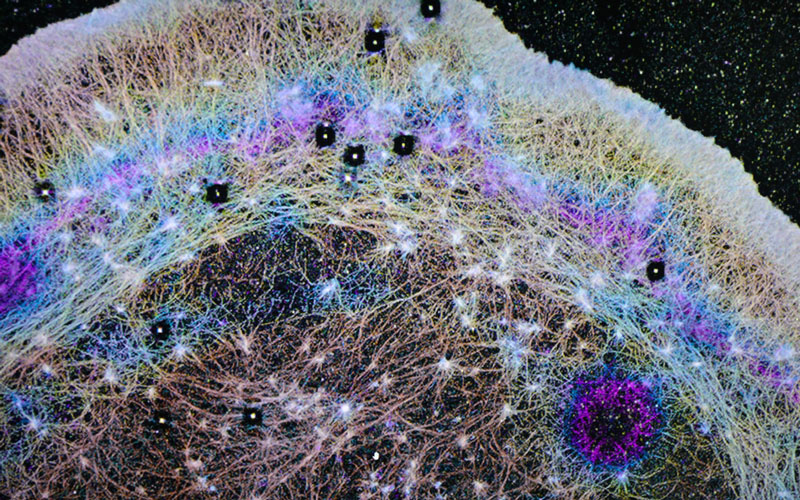
Study uncovers internal cell trade winds that drive movement and repair
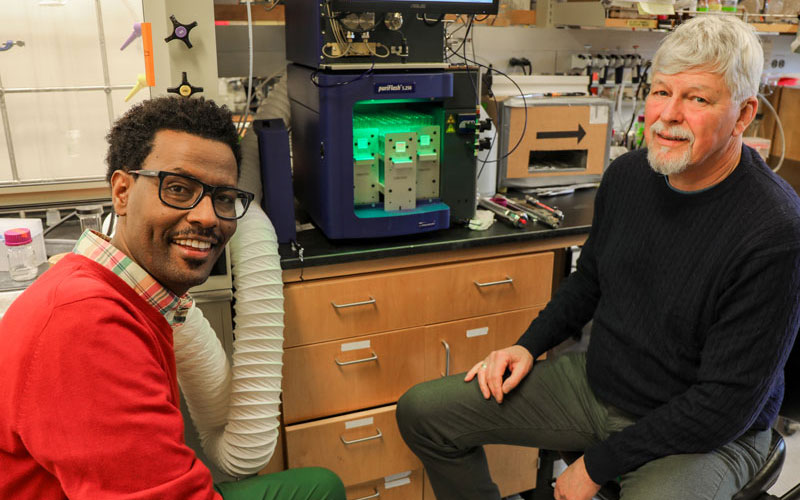
New database may unlock potential of lipids in treating, preventing disease
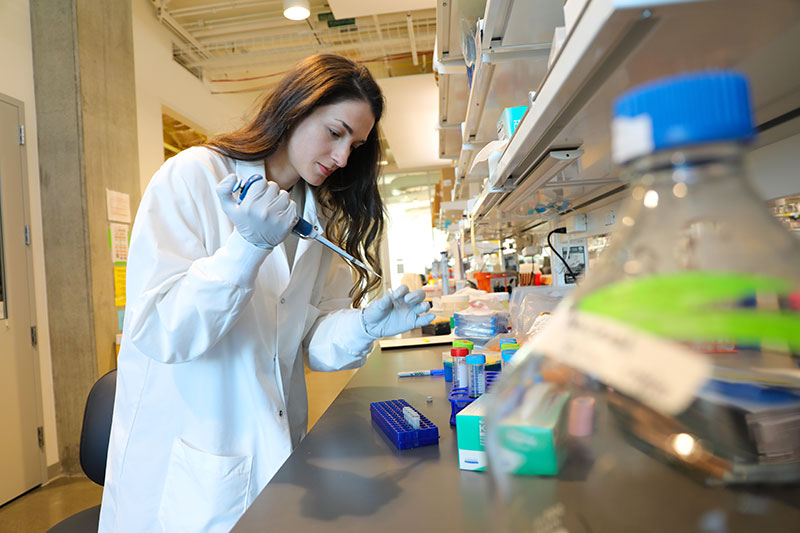
Study finds stress related nerves may fuel pancreatic cancer growth
Ariana Sattler, Ph.D., and Ece Eksi, Ph.D.
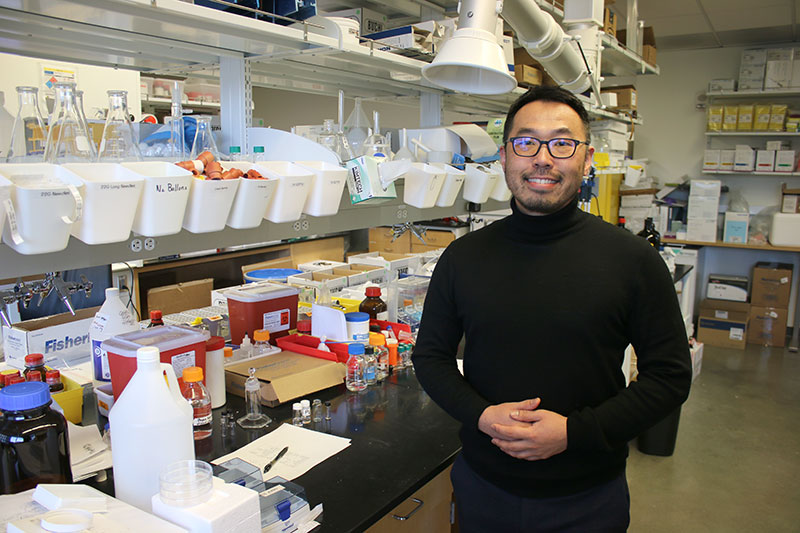
Project seeks to develop retinal screening for Alzheimer's
Lei Wang, Ph.D., and Yifan Jian, Ph.D.
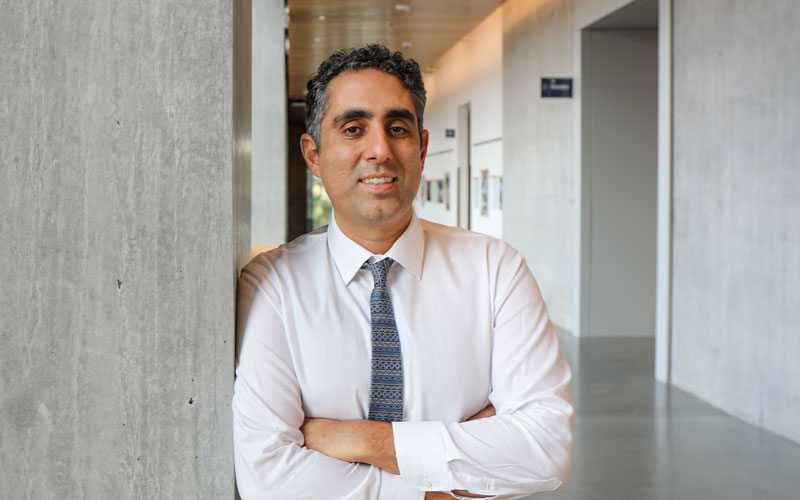
Blood test finds seven times more cancers than standard screenings
Nima Nabavizadeh, M.D.
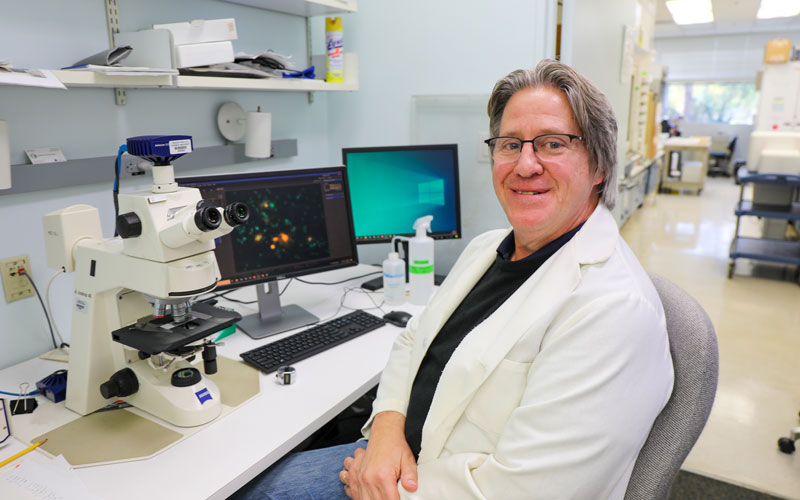

Researchers develop promising drug for aggressive breast cancer
Sanjay Malhotra, Ph.D.

E-coli strain blocks gut's defense mechanism to spread infection
Isabella Rauch, Ph.D.
Research funding
$501 million
Award dollars OHSU received in FY25
Discovering big ideas
94
Invention disclosures by OHSU in FY25
Noteworthy honors in OHSU research
- David Huang, M.D., Ph.D. earned the Lasker Award and was elected to the National Academy of Engineering.
- OHSU embryologist Shoukhrat Mitalipov, Ph.D., earned the American Society of Reproductive Medicine Distinguished Researcher Award.
- Lisa Coussens, Ph.D. was elected to the National Academy of Sciences and the National Academy of Medicine. Coussens is one of 3 OHSU faculty members to be part of both academies.
OHSU researchers:
- Discovered a new cause of Alzheimer’s, vascular dementia.
- Assembled a comprehensive atlas of human gene mutations.
- Study reveals limitations in evaluating gene editing technology in human embryos.
- Driven by OHSU research, FDA approves new drug to prevent hearing loss in children with cancer
- Identified a promising next-generation cancer treatment. Chemistry discovery points to next generation inhibitors of PARP-1, a critical target in ovarian, breast and prostate cancers.
- Found clues for potential widespread HIV cure.
- Study shows promise of gene therapy for alcohol use disorder.
- Study raises possibility of immunotherapy for treatment of ALS
- Found that immune response to COVID-19 strengthens over time
- OHSU Biofabrication Hub develops organs, bone for pioneering research into cancer, more.
Read more at OHSU
In the news
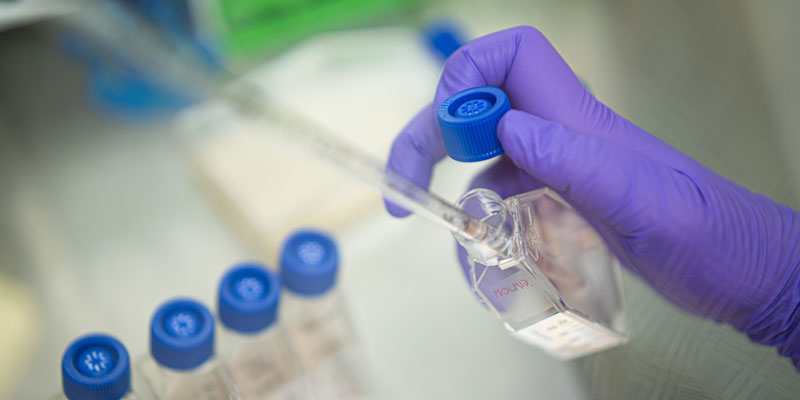

Meet the people behind the discoveries

The Changemakers
Learn about OHSU researchers and physicians who are transforming their fields.
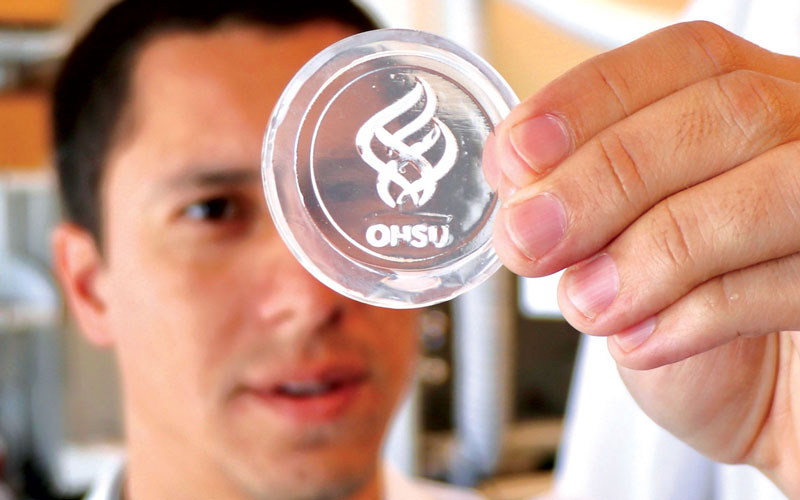
Stopping disease before it starts
Learn about the Knight Cancer Precision Biofabrication Hub and other labs at OHSU.

Advancing Alzheimer's research
Stephen Back, M.D., Ph.D., credits donors for giving him the freedom to make significant findings.

OHSU: A sleeping giant of rare disease research
Rare diseases are more common than you might think.
Research FAQ
Q: How are research discoveries made?
A: The effort to improve the way we prevent, diagnose and treat disease begins in the basic science laboratory. Basic science provides the foundation for all advances against diseases like cancer, Alzheimer’s, diabetes, heart disease, Parkinson’s, stroke, infectious diseases and more. Discoveries arise from the collective efforts of basic scientists in disciplines such as molecular biology, genetics, biochemistry, physiology, immunology, cell biology and pharmacology. Their efforts increase our knowledge and overall understanding of living systems at the most fundamental level. Basic scientists study the physical structure and biological function of molecules, genes and cells and observe how these components work together. By understanding how biological systems work, we can identify new ways to recognize earlier signs of disease and to develop treatments that address its underlying causes.
Promising basic science discoveries are then studied further to determine their potential to solve real-world health problems. In preclinical research, an idea for a new treatment is studied in experimental models to evaluate its safety and effectiveness. Only the most promising ideas then advance to the final stage of biomedical research – clinical trials involving human subjects. Clinical trials are highly regulated, multiphase human studies that are required before an experimental treatment can be approved for human use in the clinical setting.
Q: How is research typically funded?
A: Universities like OHSU rely on a variety of external sources to fund research. State funding, industry partnerships and private support from individual donors and charitable organizations are essential contributors to the research mission. However, federal agencies such as the National Institutes of Health (NIH) provide the vast majority of OHSU’s research funding. OHSU is by far Oregon’s largest recipient of NIH funding. In FY24, the NIH made up 60% of OHSU’s research funding.
Q: What are direct costs vs. indirect costs and why does this matter in research funding?
A: “Direct” costs include faculty salary support, lab equipment, supplies and other expenses related to a specific research project. In addition to providing funding for these direct costs, most federal agencies and other funding organizations award additional funding to help an institution cover the cost of maintaining its overall research infrastructure. These “indirect” costs (sometimes called F&A, for facilities and administration) include expenditures for utilities, lab space, administrative support, library resources, maintenance and other essential costs of conducting research. Essentially, these costs “keep the lights” on and the buildings running efficiently and safely. These are costs that are not necessarily tied to a single research project, but support it nonetheless. These costs are essential parts of the overall research infrastructure.
The NIH, OHSU’s largest federal research sponsor, currently pays OHSU a negotiated indirect rate of 56% of every grant – meaning a $1 million NIH research grant would come with an additional $560,000 toward indirect costs. A significant cut to the NIH’s indirect rate would significantly reduce OHSU’s capacity to conduct state-of-the-art research.
Q: What is the best way philanthropy can support research?
A: Because research is a people-powered undertaking fueled by human intellectual capital, philanthropy plays an essential role in helping OHSU retain, recruit and empower exceptional faculty, staff and graduate students. Donors who endow a faculty chair or professorship create a permanent source of support for salaries, research costs and other activities that accelerate the pace of progress. Philanthropy can also advance research by supporting the acquisition and maintenance of state-of-the-art laboratory equipment, by providing seed funding for highly innovative early-stage projects, by endowing fellowships for up-and-coming investigators and by funding scholarships for graduate students.
Q: What kinds of research at OHSU has philanthropy helped launch?
A: Private philanthropy makes it possible for OHSU to conduct world-class biomedical research. For example, the 2013-2015 Knight Cancer Challenge raised more than $1 billion in private and state support for cancer research, including the establishment of the Center for Cancer Early Detection Advanced Research (CEDAR), where philanthropic dollars are invested in highly innovative research leading toward improved cancer detection methods.
Private giving, industrial collaborations and other funding partnerships have also contributed significantly to many of OHSU’s signature research firsts, including the first successful artificial heart valve, the first angioplasty treatment and the field of interventional radiology, and the first molecularly targeted cancer therapy (Gleevec). Visionary support from prominent area philanthropists has advanced OHSU’s research into neurological disorders (the Vollum Institute, the Jungers Center); blindness (Casey Eye Institute); childhood disease (Papé Family Pediatric Research Institute); diabetes (Harold Schnitzer Diabetes Health Center); cancer (Knight Cancer Institute, the Center for Cancer Early Detection Advanced Research); nutrition and developmental health (the Bob and Charlee Moore Institute for Nutrition & Wellness); cardiovascular disease (Knight Cardiovascular Institute); and pancreatic disease (Brenden-Colson Center for Pancreatic Care), among others.
In the wake of the Human Genome Project, OHSU’s Oregon Opportunity campaign (2000-2007) raised more than $570 million in public and private support to expand OHSU’s faculty and infrastructure for biomedical research. This transformative effort underscored the catalytic role of philanthropy in support of research.
Q: With possible dramatic cuts in federal funding for science research, how can philanthropy help fill the gap?
A: Although we know that philanthropy can’t fill the entire gap that might result if there are significant losses to federal funding for research, it can play a very important role. Philanthropy can help by providing stability to programs that might be impacted and under threat. It can provide gap funding for projects and programs that might have funding delayed or deferred. Philanthropic funding is typically more flexible than federal funding and can help support in critical areas like general operating support for projects and research. Further, establishing endowed funds provides permanent and lasting support in perpetuity.